Charting transaction velocity patterns that sustain escalating incentive tiers across licensed digital entertainment networks
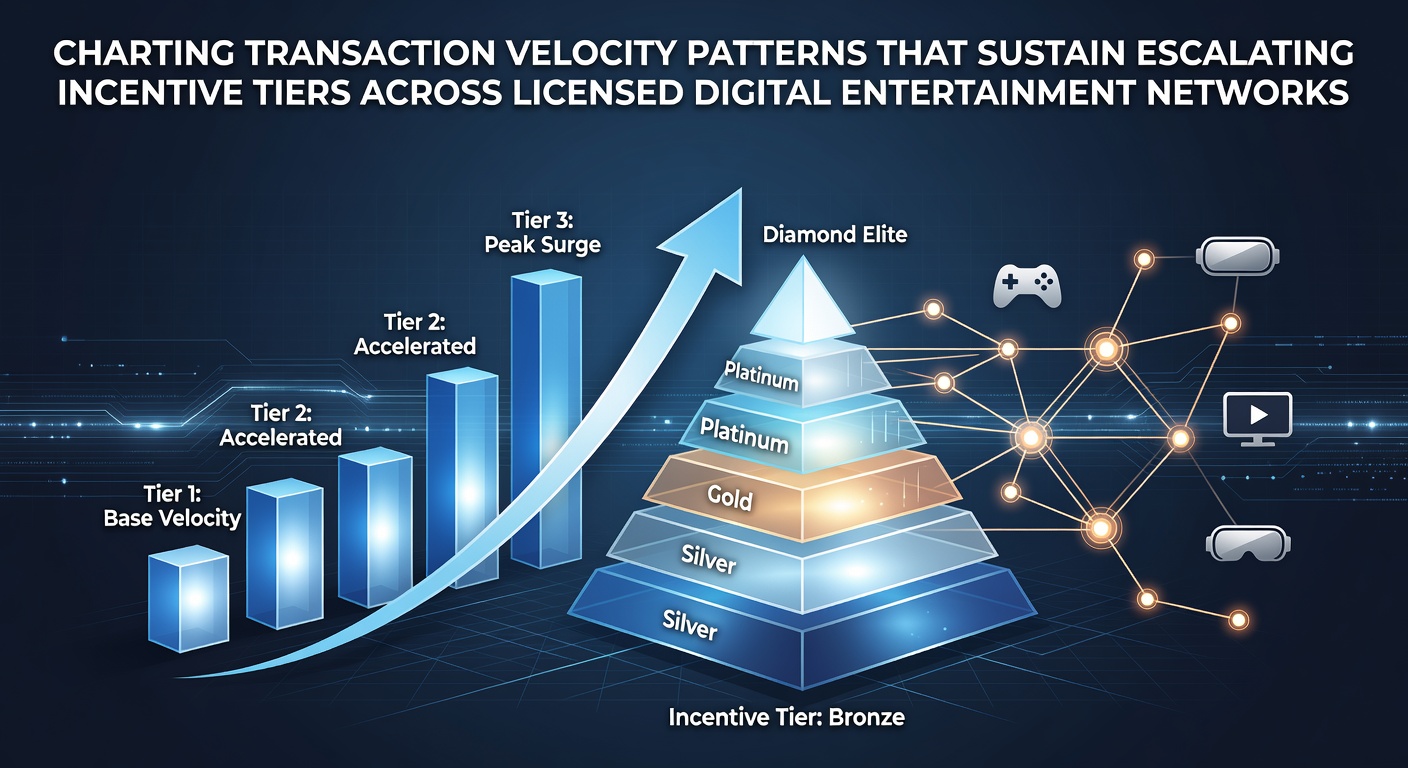
Transaction velocity patterns refer to the measurable speed and frequency of financial movements within licensed digital entertainment networks where deposits, wagers, and withdrawals occur at rates that directly influence how reward programs advance users through multiple incentive levels. Observers note that these patterns emerge when participants complete sequences of actions within compressed timeframes and such sequences often determine whether a tier upgrade occurs before a promotional period ends.
Defining velocity in licensed network environments
Licensed platforms track velocity through metrics that record the interval between successive deposits and the volume of activity generated during each session. Data from regulatory filings indicate that networks maintaining average intervals under four hours between qualifying transactions see higher rates of tier progression compared to those where users space activity across days or weeks. Researchers at institutions studying digital commerce have documented how these intervals align with automated systems that recalculate user status in real time.
Patterns become visible when platforms release aggregated statistics showing clusters of rapid activity concentrated around specific calendar windows. In June 2026 reports from several North American jurisdictions revealed that velocity spikes coincided with scheduled incentive recalibrations and those spikes correlated with measurable increases in account upgrades across multiple operator networks.
How velocity sustains tier escalation
Escalating incentive tiers operate on cumulative thresholds that reset or advance based on activity density rather than total volume alone. When transaction velocity remains elevated users accumulate the required qualifying actions before external factors such as promotional deadlines or account inactivity timers intervene. Studies conducted by academic groups examining electronic transaction logs demonstrate that sustained velocity above established benchmarks reduces the likelihood of tier regression between evaluation periods.
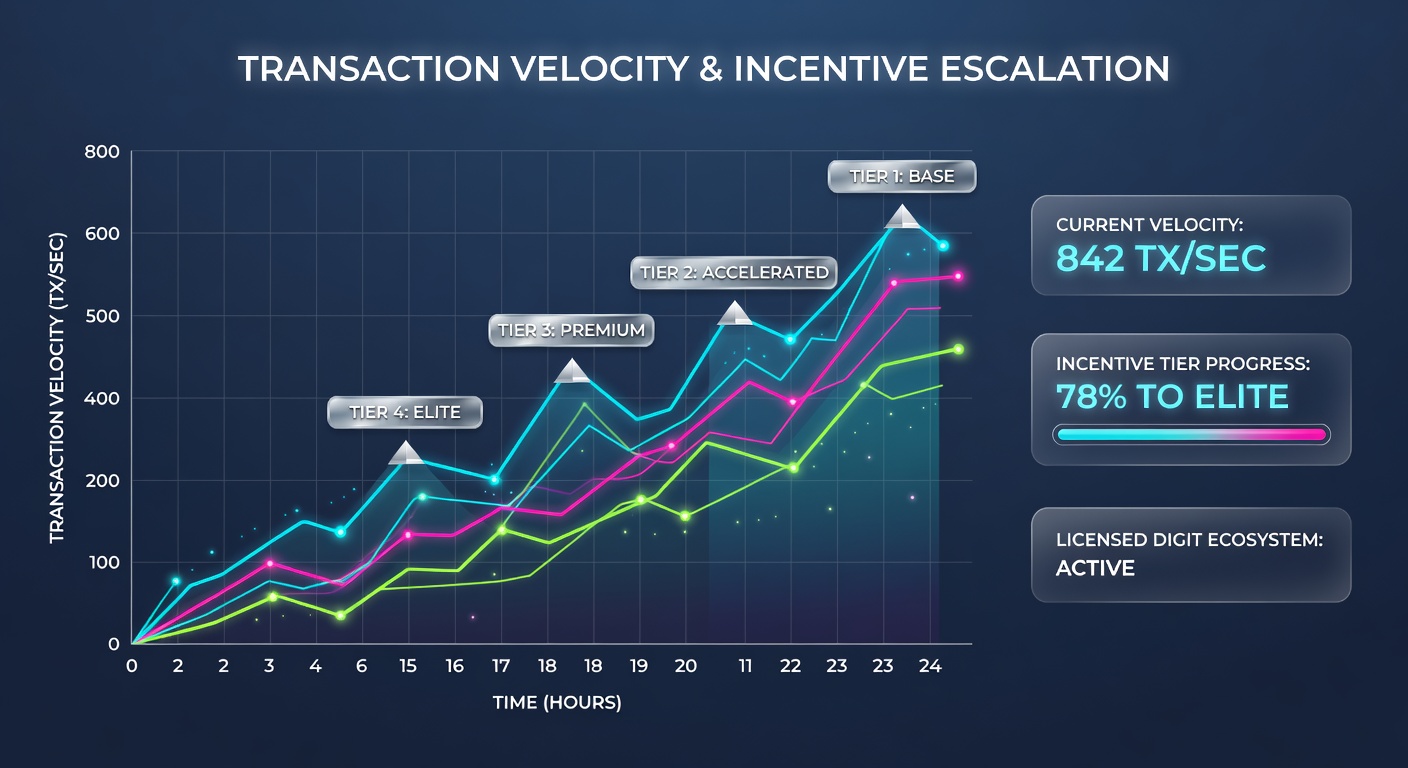
Network operators implement algorithmic monitoring that flags accounts exhibiting consistent velocity signatures and these signatures trigger automated notifications about impending tier changes. The mechanism works because each completed transaction contributes not only to balance totals but also to velocity scores that compound across sequential periods. Figures released by the Nevada Gaming Control Board in early 2026 illustrated that accounts maintaining velocity rates in the upper quartile advanced an average of 1.7 tiers per quarter while lower-velocity accounts remained static.
Observed patterns across multiple jurisdictions
Comparative analysis of transaction data from European and Australian licensed markets shows regional variations in velocity requirements that still produce similar tier outcomes. European networks tend to emphasize shorter session-based velocity windows whereas Australian platforms extend measurement across full calendar weeks yet both approaches yield escalating rewards when velocity thresholds are met consistently. A paper published by the University of Sydney's gambling research unit in 2025 examined anonymized datasets and found that velocity consistency predicted tier retention more reliably than peak transaction size.
Case examples drawn from operator disclosures illustrate the effect. One mid-sized European network reported that users who completed three or more qualifying transactions within a 12-hour window advanced to the next incentive tier 68 percent faster than those who distributed the same number of transactions over several days. Similar patterns appeared in Canadian provincial reports where velocity-focused tracking systems produced higher engagement metrics without corresponding increases in overall spend per user.
Technical infrastructure supporting velocity tracking
Modern licensed networks rely on integrated payment rails and real-time ledger systems that timestamp every transaction to millisecond precision. These systems feed velocity calculations directly into loyalty engines that adjust incentive availability on the fly. When velocity drops below programmed thresholds the engines withhold certain tier benefits until activity resumes at the required pace. Industry reports from the European Gaming and Betting Association note that such infrastructure investments have become standard among operators seeking to stabilize tier progression rates across large user bases.
Security protocols embedded in these systems verify transaction legitimacy while preserving velocity data integrity. Multi-factor authentication steps occur without interrupting the timing sequences that matter for tier calculations and this balance allows networks to maintain compliance while still capturing the granular activity patterns that drive reward escalation.
Conclusion
Transaction velocity patterns function as structural elements within licensed digital entertainment networks because they determine how efficiently users progress through incentive structures designed around activity density. Evidence from regulatory filings academic studies and operator disclosures shows consistent correlations between elevated velocity and accelerated tier advancement across different geographic markets. As measurement technologies continue to refine these patterns remain central to understanding how reward systems operate at scale.