Chronicle of Cash Flow: How Settlement Speeds Dictate Reward Accumulation Rates in Digital Gaming Venues
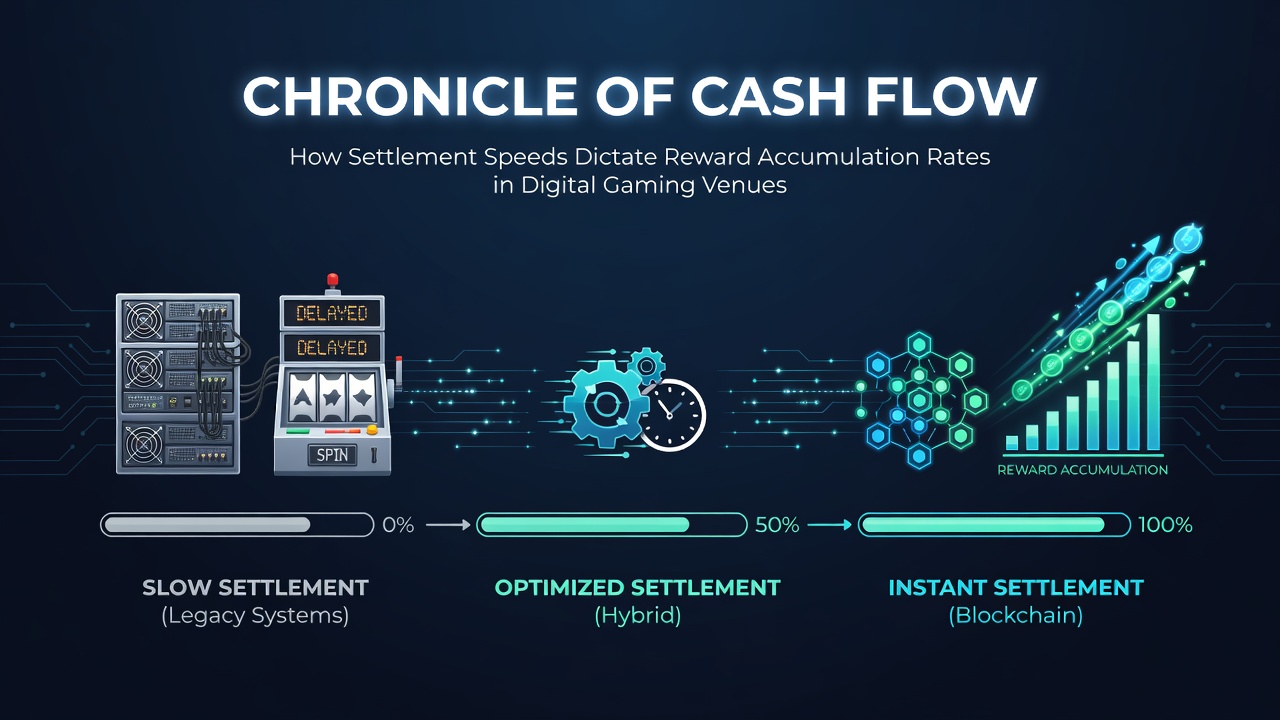
Settlement speeds in digital gaming venues determine how quickly funds move from player accounts to operational systems and back again, which directly shapes the pace at which rewards build up during gameplay sessions. Faster processing allows players to reinvest winnings or deposits almost immediately, whereas slower timelines create gaps that delay bonus triggers and loyalty point accruals. Observers note that these mechanics have become central to platform design since the expansion of real-time payment networks across multiple jurisdictions.
Mechanics of Settlement in Gaming Environments
Digital gaming venues rely on backend processors that handle authorization, clearing, and final settlement for every transaction. Authorization confirms available funds in seconds, yet settlement completes the transfer and updates balances for reward calculations. When settlement occurs within minutes rather than hours, systems register activity for progressive rewards such as tiered loyalty multipliers or cashback percentages without interruption. Data from industry reports show that venues integrating instant settlement rails experience higher repeat engagement rates because players maintain continuous session momentum.
Traditional bank transfers often require one to three business days for full settlement, which pauses reward accumulation until the funds appear in the gaming ledger. In contrast, platforms connected to faster networks finalize movements in under thirty seconds, enabling immediate application of deposit bonuses or spin allocations. Researchers at academic institutions tracking payment infrastructure have documented that this difference compounds over multiple transactions, producing measurable variances in total rewards earned per hour of play.
Link Between Processing Time and Reward Velocity
Reward systems in these venues calculate points or credits based on settled volume rather than pending amounts. A deposit that settles quickly contributes to the current reward cycle, while a delayed one sits outside the calculation window until confirmation arrives. This distinction matters during limited-time promotions where accumulation windows close at midnight or after a set number of hours. Players who choose methods with rapid settlement therefore capture more of the available reward pool before deadlines pass.
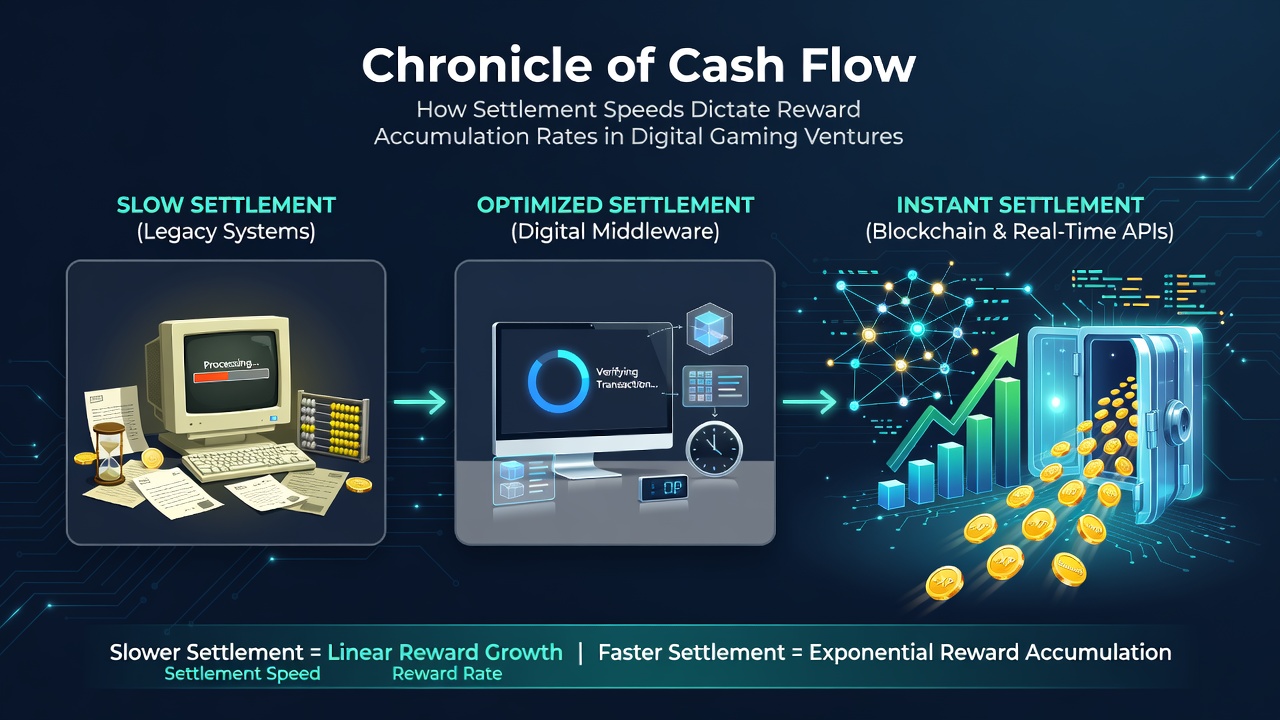
Analysts tracking transaction logs have found that venues offering same-day settlement options report elevated rates of reward redemption within the first twenty-four hours after deposit. The pattern holds across regions because faster cash flow reduces friction between deposit and play, allowing algorithms to award loyalty status upgrades or bonus rounds sooner. In July 2026 several major platforms began piloting enhanced real-time settlement protocols that further compress these timelines, aligning with broader adoption of instant payment schemes outside traditional banking hours.
Regional Infrastructure Variations
North American markets show settlement differences tied to state-level regulations, where some jurisdictions mandate batch processing at end of day while others permit continuous settlement feeds. European platforms frequently connect to pan-regional instant payment systems that finalize transfers in seconds regardless of banking hours. Australian operators have integrated similar rails following updates to national payment standards, resulting in reward systems that update player accounts multiple times per hour rather than once daily.
These infrastructure choices influence how venues structure their reward engines. Platforms in faster-settlement environments can offer dynamic multipliers that adjust based on recent activity volume, because the data arrives in time to influence ongoing sessions. Slower environments rely on static daily tallies that reset at fixed intervals, limiting the granularity of reward distribution.
Technological Enablers and Data Patterns
Application programming interfaces now link gaming ledgers directly to payment rails, automating settlement updates and triggering reward scripts without manual intervention. Venues that invested early in these connections recorded higher average reward payout volumes per active account according to aggregated industry figures. The same data sets reveal that transaction failure rates drop when settlement occurs in real time, because error correction happens before players notice discrepancies that might otherwise interrupt play streaks.
One study from a university research center examined transaction records across several hundred thousand sessions and determined that each additional minute of settlement delay correlates with a measurable reduction in cumulative rewards earned during peak hours. The relationship stems from time-sensitive bonus mechanics that expire or diminish if activity falls below thresholds during the delay window.
Conclusion
Settlement speeds function as a foundational variable in reward accumulation across digital gaming venues, influencing everything from immediate bonus eligibility to long-term loyalty progression. Platforms that optimize these timelines integrate more fluid reward engines while those constrained by slower rails maintain more conservative structures. Continued infrastructure upgrades, including those rolled out around July 2026, continue to shift these dynamics by shortening the gap between transaction initiation and reward system recognition.