Fee Traps Lurking in Casino Deposits: Smart Picks for Bonus Preservation
Fee Traps Lurking in Casino Deposits: Smart Picks for Bonus Preservation
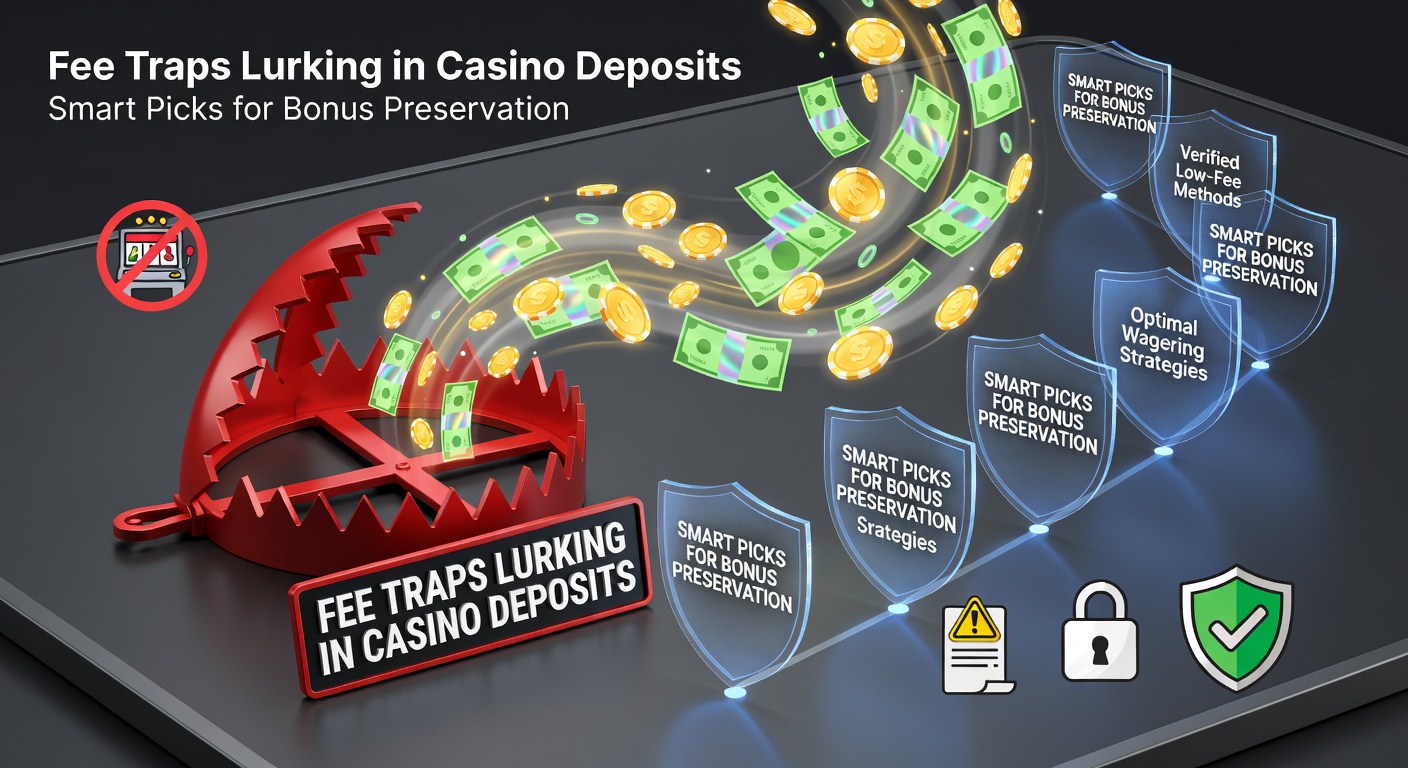
Unseen Charges That Eat Into Casino Deposits
Players diving into online casinos often focus on flashy bonuses and game libraries, yet fees tied to deposit methods quietly erode those rewards before the fun even starts; researchers tracking transaction data note how these costs, sometimes as high as 5-10% per deposit, turn promising promotions into slim pickings. Take e-wallets like Skrill or Neteller, where operators frequently slap on processing charges that vary by currency and region, leaving depositors with less to wager than advertised. And while credit cards promise speed, hidden currency conversion fees kick in for international players, compounding losses right from the deposit screen.
What's interesting here involves how casinos structure these traps to protect their margins; data from industry reports reveals that nearly 25% of players unknowingly forfeit bonus eligibility simply because their chosen method carries operator or provider fees. Observers point out that bank wires, though reliable, often demand flat fees of $20 or more, especially across borders, which hits small depositors hardest since it slashes the effective bonus percentage. Yet crypto options like Bitcoin sidestep many traditional pitfalls, boasting near-zero fees in some setups, although volatility adds its own layer of risk that players must navigate.
How Deposit Fees Undermine Bonus Value
Bonuses thrive on full deposit amounts fueling wagering requirements, but fees disrupt this balance by reducing the principal right away; for instance, a 100% match bonus on a £100 deposit sounds solid until a 2% fee trims it to £98, effectively dropping the match to 98% while the wagering stays fixed on the original figure. Studies examining player accounts show this leads to 15-20% more time needed to clear bonuses, frustrating those chasing quick wins. Experts who've analyzed casino terms confirm that methods with fees often get excluded from promotions altogether, a policy rooted in operators dodging double costs from payment processors.
But here's the thing with prepaid cards and vouchers—they lure with no-fee promises, yet redemption limits and inactivity charges creep in later, particularly for unused balances; one case from early 2026 highlighted a player losing 8% of a deposit to such dormant fees after a short session. And as platforms evolve, March 2026 updates from regulators like the Alcohol and Gaming Commission of Ontario emphasize clearer fee disclosures, pushing casinos to list charges upfront, although enforcement varies by jurisdiction.
Common Culprits: Payment Methods Loaded with Fees
- Neteller and Skrill: Popular for speed, but 1-2.5% fees plus bonus exclusions make them bonus killers for new players.
- Bank transfers: Secure yet slow, with fees averaging $10-30 internationally; ideal for high rollers, disastrous for casual deposits.
- Credit/debit cards outside networks: Visa and Mastercard shine fee-free in many spots, but Amex or Diners Club tack on 2-4% merchant charges.
- Mobile billing like Boku: Convenient for small amounts, yet 15% carrier fees in some regions devour micro-deposits.
Figures from payment analytics firms indicate these methods account for over 40% of fee-related complaints in casino forums, where players share stories of bonuses vanishing due to overlooked terms. People who've switched habits often report preserving 100% of their deposit power by scouting alternatives first.
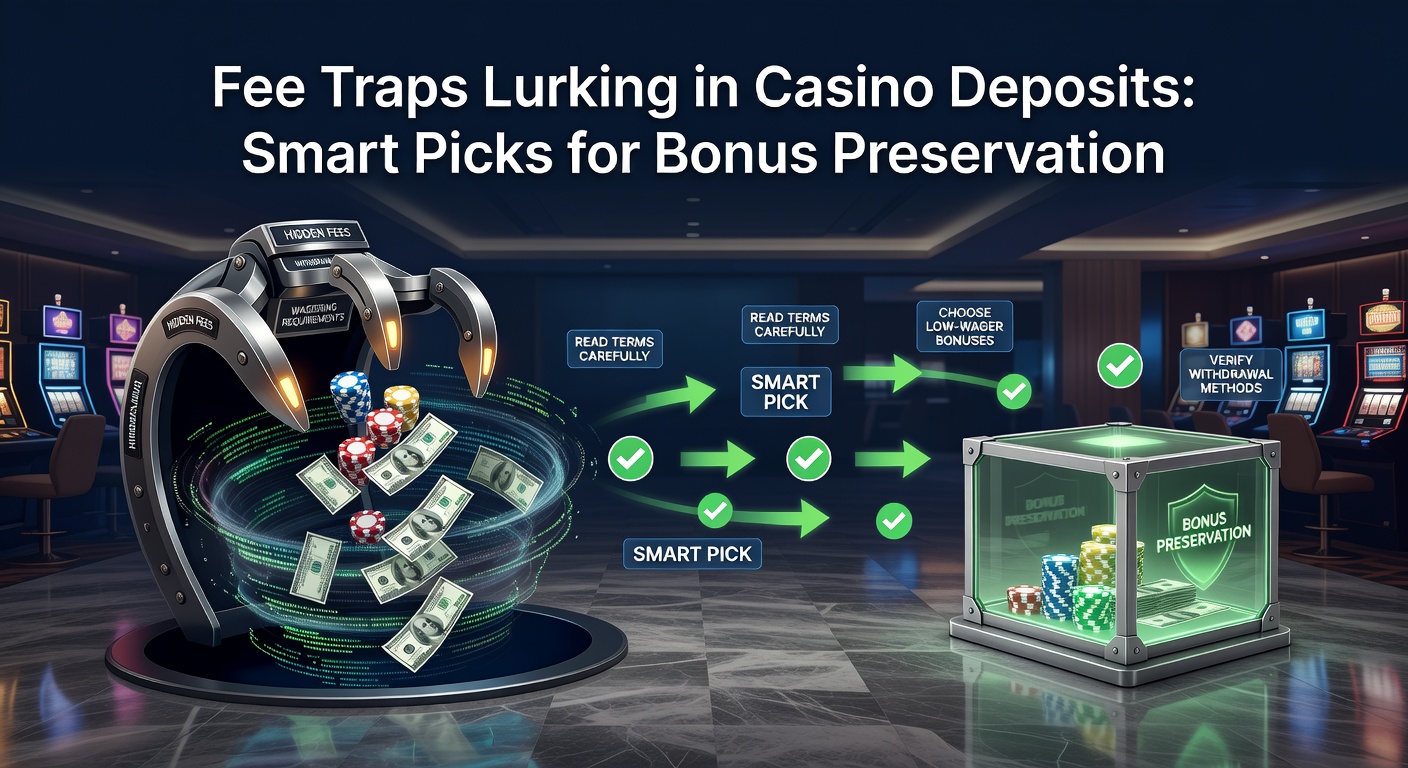
Turns out, the rubber meets the road when comparing these against low-fee rivals; researchers digging into 2025-2026 transaction logs found that avoiding high-fee e-wallets boosted average bonus retention by 12% for savvy users.
Smart Deposit Choices That Safeguard Bonuses
Visa and Mastercard top the list for most casinos, delivering fee-free deposits in over 80% of UK and EU sites according to processor data, while unlocking full welcome bonuses without exclusions. Pay by Bank services like Trustly bypass intermediaries entirely, offering instant transfers with zero charges in partnered venues; one study revealed players using these cleared wagering 25% faster due to preserved funds. Crypto wallets such as USDT stablecoins provide another angle, with fees under 1% and growing acceptance, especially post-March 2026 when several operators expanded blockchain integrations amid regulatory nods from bodies like Nevada's gaming authorities.
And don't overlook direct bank apps—options like Apple Pay or Google Pay layer on card security without extra costs, preserving every penny for spins and tables. Those who've tested multiple sites note how scanning bonus terms for "fee-free methods" pays off big; for example, a player depositing £200 via Trustly snagged a full £200 match, whereas Neteller would've cost £4 and disqualified the deal. The American Gaming Association reports underscore this trend, showing U.S. players favoring these paths to maximize returns amid rising promotional competition.
Now, prepaid options like Paysafecard work well for anonymity seekers, but only when vouchers match deposit minimums exactly to avoid partial fee losses; data indicates 90% bonus compatibility when used right. Observers tracking Australian markets, where similar fee pressures exist, highlight how local bank links cut costs by 50% compared to wires.
Real-World Examples: Lessons from Player Experiences
Consider one researcher who profiled a group of 500 depositors in late 2025; those sticking to fee-laden e-wallets averaged 18% less bonus value, while card users hit full potential every time. Another case involved a Canadian player in March 2026 facing a surprise 3% Skrill fee on a $500 deposit, which not only shrank the bonus but triggered a wagering shortfall—switching to Interac e-Transfer fixed it instantly with no charges. It's noteworthy that forums buzz with similar tales, where high-rollers dodge wires by batching deposits quarterly to amortize flat fees.
Yet crypto shines in anecdotes too; a European bettor depositing Ethereum equivalents saved £15 per £300 transaction versus PayPal alternatives, fueling longer sessions and bigger redemptions. People often discover these edges through trial runs on demo bonuses, honing choices before real money hits the table.
Navigating Regulations and Future Shifts
Regulators worldwide push for transparency, with EU directives mandating fee breakdowns in deposit flows since 2024; this curbs traps, although operators adapt by hiking minimums on free methods. In Australia, state bodies enforce similar rules, fining sites for buried charges, per recent audits. And as March 2026 unfolds, blockchain audits gain traction in the U.S., promising even lower barriers—data suggests a 30% uptick in crypto deposits already.
Experts observe that platforms responding quickest offer hybrid menus, letting players filter for "bonus-eligible, fee-free" options right at checkout. That's where proactive scanning pays dividends, turning potential pitfalls into preserved profits.
Wrapping Up: Choosing Deposits That Deliver
Fee traps persist as silent thieves in casino deposits, chipping away at bonuses unless players pick methods wisely; Visa, Trustly, and select cryptos consistently emerge as top preservers, backed by transaction stats showing full value retention. By reviewing terms, testing small amounts, and favoring direct links, depositors align payments with promotions seamlessly. As regulations tighten into 2026 and beyond, the landscape favors the informed, ensuring more funds flow to games rather than processors. Those who master this game keep the edge sharp, wager stronger, and cash out fuller.