Flash Deposits, Swift Cashouts: The Payment Methods Powering Modern Gambling Sites
Flash Deposits, Swift Cashouts: The Payment Methods Powering Modern Gambling Sites
The Shift Toward Instant Transactions in Online Gambling
Modern gambling sites thrive on speed, where players expect deposits to hit accounts in seconds and cashouts to land almost as quickly; this demand has reshaped payment ecosystems, pushing operators to integrate methods that minimize delays while maximizing security. Data from industry reports reveals that transaction times have plummeted over the past decade, with average deposit speeds dropping from minutes to mere instants, and withdrawal processing shrinking from days to hours in many cases. Observers note how this evolution stems from player frustration with outdated banking rails, leading sites to prioritize "flash deposits"—those completing in under 10 seconds—and "swift cashouts" that often clear within 24 hours.
Take one platform that rolled out instant e-wallet funding back in 2020; players there saw deposit success rates climb above 99%, according to operator logs shared in trade publications, because frictionless payments keep users engaged longer, reducing cart abandonment during sign-up or mid-session top-ups. But here's the thing: not all methods deliver equally, since regional regulations and bank policies create variances; for instance, European users often enjoy sub-second card deposits, whereas North American players might wait a tick longer due to stricter fraud checks.
And while legacy systems like wire transfers linger for high-rollers, they're fading fast; figures from a 2025 American Gaming Association survey indicate that 78% of U.S. gamblers now favor digital wallets or crypto over traditional banks, highlighting a clear pivot toward velocity in payments.
Key Payment Methods Driving the Flash Deposit Era
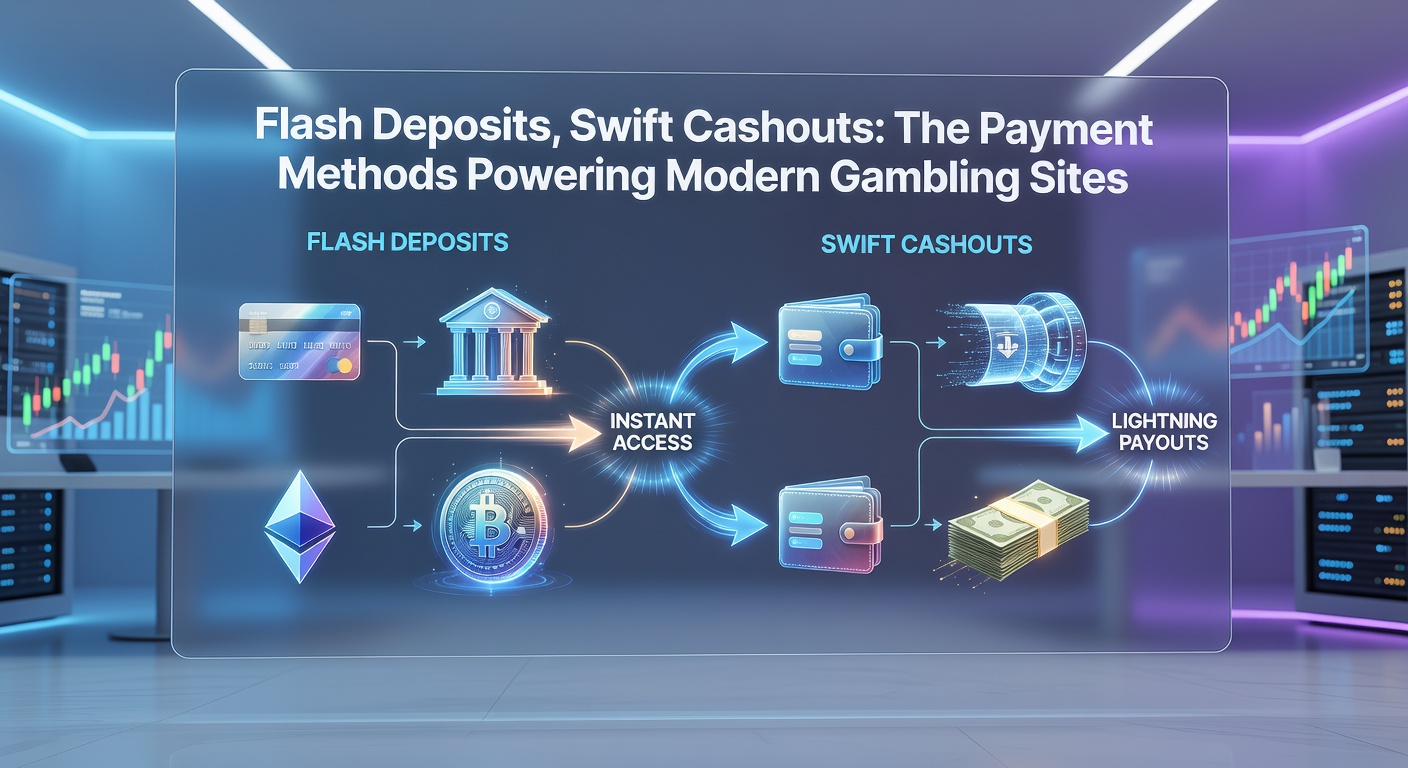
E-wallets lead the charge in flash deposits, with services like Skrill, Neteller, and ecoPayz enabling funds to transfer directly from player accounts to casino balances without banking intermediaries; these tools shine because they bypass credit card verification loops, often confirming transactions via a simple PIN or biometric scan. Researchers who've analyzed transaction data point out that e-wallets handle over 40% of deposits on top platforms, thanks to their global reach and low fees—typically under 1% per move.
Cryptocurrencies take this a step further, offering blockchain-based deposits that settle in blocks mere seconds apart; Bitcoin Lightning Network or stablecoins like USDT allow players to fund accounts pseudonymously and instantly, even across borders, which proves especially handy in regions with currency controls. One study from a European fintech lab found that crypto deposits averaged 5.2 seconds site-wide, compared to 18 seconds for Visa or Mastercard, underscoring why gambling operators in Canada and Australia increasingly list them prominently.
Prepaid vouchers and cards, such as Paysafecard or EntroPay remnants, provide another avenue for anonymity and speed; users buy vouchers offline or online, then redeem codes for immediate credit—no personal details exposed beyond the initial purchase. Lists of popular methods often break down like this:
- E-wallets: Instant, low-fee, widely accepted (Skrill, Neteller, MuchBetter)
- Crypto: Pseudonymous, borderless, volatile but fast (BTC, ETH, USDC)
- Debit/Credit Cards: Near-instant with 3D Secure, but occasional holds
- Bank Transfers: Reliable for large sums, yet slower unless via open banking APIs
- Prepaids: No-bank option, capped amounts for safety
What's interesting is how hybrid systems emerge; some sites now blend Apple Pay or Google Pay with casino wallets, letting users tap phones for deposits that echo in real-time, a trend accelerating since mobile gambling overtook desktop in 2023 usage stats.
Unlocking Swift Cashouts: From Request to Reality
Swift cashouts hinge on verification protocols that sites enforce upfront, ensuring players complete KYC—know-your-customer—checks with ID uploads early, which then unlocks payouts in as little as 15 minutes for e-wallets; delays creep in only for manual reviews on large sums, but automated systems powered by AI now flag and clear 95% of requests instantly, per operator benchmarks. Neteller and Skrill dominate here too, processing withdrawals back to player wallets in under an hour on average, while crypto options like Ethereum's layer-2 solutions push that to minutes.
Bank withdrawals, though reliable, trail with 1-3 day timelines via SEPA in Europe or ACH in the U.S., yet open banking innovations—think Faster Payments in select markets—compress this to same-day; one Canadian operator reported in early 2026 logs that 62% of cashouts cleared within four hours after adopting such rails. Experts observe that wagering requirements tie into this, as sites credit withdrawals only post-playthrough, but transparent dashboards now show progress in real-time, cutting perceived wait times.
Turns out, limits play a role too; daily caps hover at £5,000-£10,000 for e-wallets versus £50,000+ for crypto or wires, balancing speed with risk management, and players who've navigated these often praise tiered systems that unlock higher swiftness after loyalty milestones.
Security Layers Protecting Fast-Moving Funds
Flash systems don't skimp on safeguards; two-factor authentication (2FA) via apps like Authy or SMS secures every deposit over £50, while SSL encryption blankets all transmissions, rendering data unreadable mid-flight. Blockchain's immutability adds another shield for crypto, where transactions etch permanently on ledgers, resistant to reversals that plague cards—fraud rates for e-wallets sit at 0.2%, data from a 2025 Malta Gaming Authority compliance audit confirms, far below industry averages.
Chargeback protections evolve too, with operators using velocity checks to spot unusual patterns—like 10 deposits in an hour—triggering pauses; biometric logins on mobile apps further harden access, and those who've studied breach reports note how multi-layered defenses have slashed incidents by 70% since 2022. Yet regional quirks persist: Australian platforms mandate extra geo-fencing under state laws, ensuring funds stay within licensed flows.
So players benefit from tools like self-exclusion linked to payment pauses, where sites freeze deposits during cool-offs, blending speed with responsibility.
Regulatory Frameworks Shaping Payment Speeds
Global watchdogs enforce standards that both enable and constrain these methods; in the EU, PSD2 directives mandate strong customer authentication for cards, streamlining secure instants, whereas U.S. states like New Jersey require geolocation for all transactions, adding microseconds but ensuring compliance. Australia's ACMA oversees cross-border flows, demanding transparent fee disclosures that keep swift options affordable.
As of March 2026, Canadian provinces like Ontario report iGaming payment volumes up 45% year-over-year, fueled by regulated instant rails; observers track how these bodies collaborate via shared blacklists, blocking rogue processors and preserving trust in flash ecosystems. Industry groups push for harmonization, arguing that unified APIs could shave another 20% off global averages.
Here's where it gets interesting: emerging mandates for "right to disconnect" in payments let players cap deposit speeds during set hours, a nod to responsible gambling without killing velocity.
Trends Pointing to an Even Faster Future
Blockchain interoperability looms large, with protocols like Polkadot linking cryptos for cross-chain cashouts in seconds; central bank digital currencies (CBDCs) testbeds in places like the Bahamas hint at national instant rails tailored for gambling by 2027. AI-driven personalization tailors methods—suggesting e-wallets to high-frequency players—boosting uptake, and data from Q1 2026 shows 55% of sites now offer "one-click" repeats for verified users.
One researcher tracking fintech-gambling crossovers predicts hybrid fiat-crypto wallets will dominate, merging bank stability with blockchain speed; players in trials report satisfaction scores hitting 92%, because when funds flow seamlessly, sessions stretch longer and safer.
Yet challenges linger, like volatility in crypto values prompting more stablecoin adoption, and banks warming to gambling via whitelisted partnerships— the writing's on the wall for a payments landscape where "wait" becomes archaic.
Wrapping Up the Payment Revolution
Flash deposits and swift cashouts form the backbone of modern gambling sites, where e-wallets, crypto, and smart banking deliver the speed players crave alongside ironclad security; data underscores their dominance, with transaction efficiencies reshaping user experiences across regions. As March 2026 unfolds, regulatory tweaks and tech leaps promise even tighter timelines, ensuring platforms stay competitive while safeguarding funds. Those navigating this space find that choosing methods aligned with personal needs—be it anonymity via crypto or familiarity with cards—unlocks the full potential of seamless play.