Linking Financial Transfers With Incentive Releases in Virtual Entertainment Environments
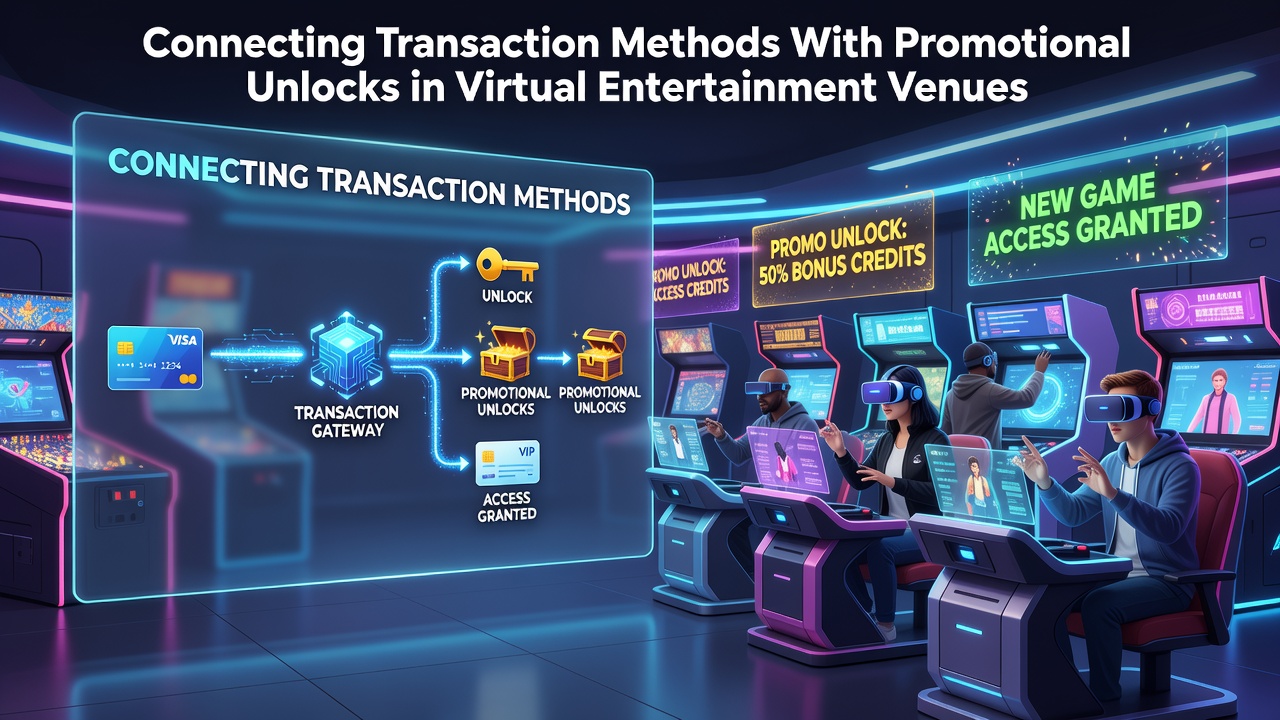
Virtual entertainment venues rely on diverse transaction methods to facilitate deposits and withdrawals while these same options often determine access to promotional unlocks such as free spins, deposit matches, and loyalty rewards. Research from industry reports shows that payment selection directly influences eligibility criteria set by operators, with certain methods qualifying for instant bonus activation whereas others face restrictions due to processing times or verification requirements.
Payment Categories and Their Integration Patterns
Electronic wallets, bank transfers, prepaid cards, and mobile billing services each follow distinct integration patterns within these platforms. E-wallets process transfers rapidly which allows players to meet bonus activation windows that require same-day deposits, while bank transfers introduce delays that may push transactions outside promotional deadlines. Data indicates that platforms adjust bonus terms according to these timelines, creating structured pathways where quicker methods unlock higher reward tiers.
Prepaid options provide an additional layer because they mask direct banking details yet still trigger standard verification checks in many cases. Observers note that this setup preserves user privacy without blocking promotional access when operators accept the method as valid for initial funding. Mobile billing meanwhile ties charges to phone accounts which streamlines small deposits but limits larger bonus-eligible amounts in line with carrier policies.
Mechanics Connecting Deposits to Reward Activation
Operators establish rules that tie specific transaction methods to bonus availability through automated systems checking deposit source and amount upon completion. A deposit via an approved e-wallet might immediately credit both funds and a matching promotional offer whereas a slower wire transfer requires manual review that postpones unlock until confirmation arrives. Studies from research institutions reveal these automated checks reduce processing errors while maintaining compliance with regional standards across multiple jurisdictions.
Geographic variations appear clearly when comparing frameworks. European operators often align with standards from the European Gaming and Betting Association which emphasizes transparent bonus terms linked to payment speed. In contrast North American markets reference guidelines from bodies like the Nevada Gaming Control Board where similar connections exist between approved funding sources and reward distribution timelines.
Examples of Method-Specific Unlocks
One documented pattern involves e-wallet users receiving exclusive free spin packages upon first deposit because the instant confirmation allows operators to apply time-sensitive codes without delay. Prepaid card transactions frequently pair with cashback offers since these methods reduce chargeback risks and encourage platforms to extend promotional value. Bank transfer users encounter fewer instant unlocks but gain access to loyalty programs that accumulate over repeated verified deposits spanning several days.
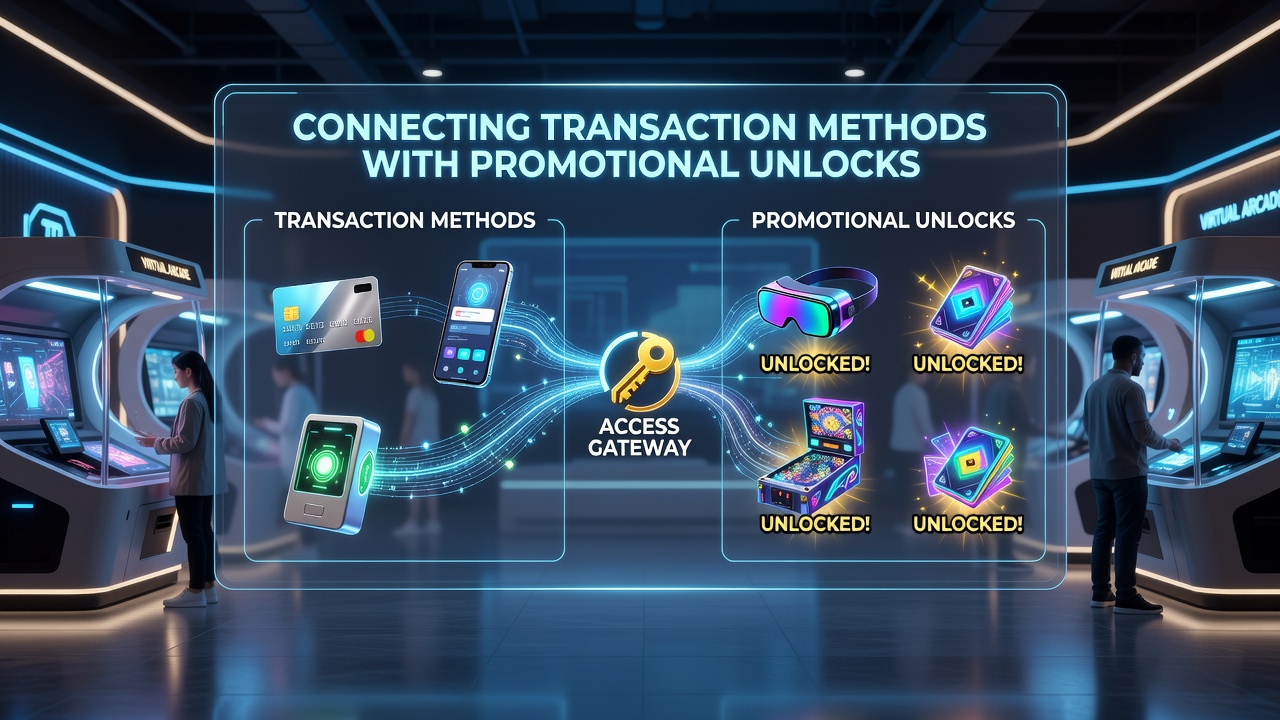
Additional cases show mobile billing integrated with tiered rewards where cumulative spend thresholds trigger progressive unlocks. These thresholds reset monthly and depend on consistent use of the same billing method to track eligibility accurately. Figures from academic analyses of transaction data confirm that method consistency correlates with higher completion rates for multi-step promotional sequences.
Operational Adjustments Observed Through 2026
Platform updates scheduled around June 2026 incorporate refined algorithms that scan incoming transaction metadata in real time to match deposits with active promotions. These adjustments expand the range of accepted methods for certain reward types while maintaining separate queues for slower options. Industry reports highlight that such changes respond to increased user demand for flexible funding paired with immediate promotional value.
Regulatory updates in various regions continue to shape these connections by requiring clear disclosure of which methods qualify for each unlock category. Compliance teams review payment integrations quarterly to ensure alignment with evolving consumer protection measures. This ongoing process creates predictable environments where users can select transaction routes based on desired promotional outcomes.
Conclusion
Transaction methods serve as foundational elements that shape promotional access across virtual entertainment venues through automated eligibility checks, processing speed variations, and regional compliance frameworks. Evidence from multiple sources demonstrates consistent patterns where faster options enable quicker unlocks while slower alternatives support longer-term reward structures. These linkages evolve with technological and regulatory shifts yet remain central to how operators structure incentive distribution.