Merkur Slots' Bid for Round-the-Clock Operations at Spalding Venue Hits Roadblock as Appeal Gets Dismissed
Merkur Slots' Bid for Round-the-Clock Operations at Spalding Venue Hits Roadblock as Appeal Gets Dismissed

The Planning Inspectorate's Verdict Lands on 12 March 2026
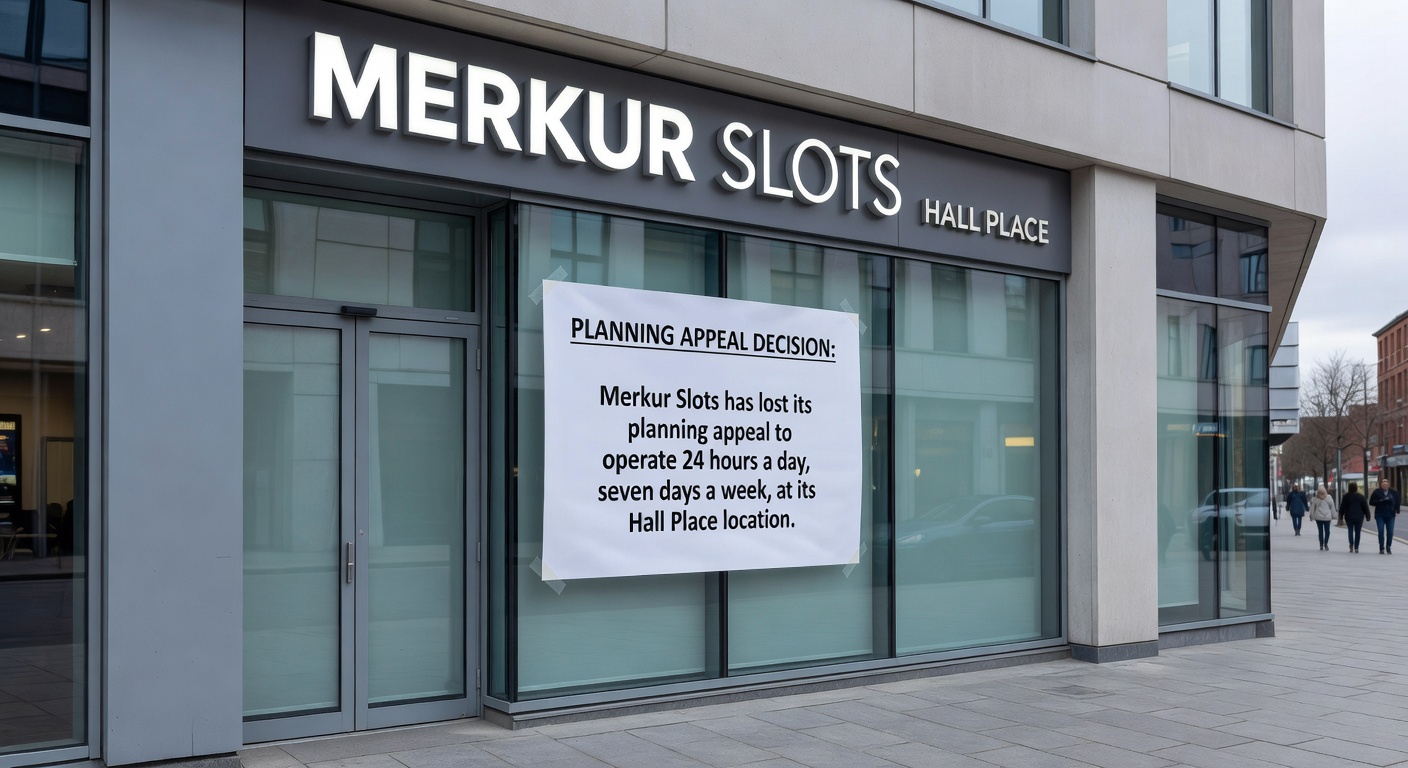
Merkur Slots, operating its adult gaming centre at Hall Place in Spalding, Lincolnshire, pushed hard for an extension to 24/7 operations, but the Planning Inspectorate dismissed the appeal outright on 12 March 2026, citing clear risks of harm to nearby residents' living conditions from increased noise and disturbance; the decision underscores how local planning rules prioritize community well-being over business expansions in residential zones, especially where late-night activities could disrupt sleep patterns and daily routines for those living close by.
Previously, the venue stuck to set hours from 07:00 to midnight every day, including weekends, a schedule that South Holland District Council had approved before Merkur Slots sought to scrap those limits entirely; now, with the appeal rejected, those boundaries hold firm, keeping operations wrapped up well before the early morning hours when quiet becomes essential for locals.
What's interesting here is the timing, coming as it does in early 2026 when gambling venues across the UK face growing scrutiny over their footprint in everyday neighbourhoods; observers note that such rulings set precedents, making it tougher for similar spots to argue for non-stop access without ironclad evidence of minimal impact.
Inside the Appeal Process and Key Arguments
The push for 24/7 stemmed from Merkur Slots' desire to match demand from customers who prefer gaming at odd hours, yet council planners initially blocked it due to worries over amplified foot traffic, brighter lights spilling into streets, and sounds from machines or gatherings echoing late into the night; Merkur Slots countered with promises of soundproofing upgrades and staff training to hush things down, but the inspectorate found those measures fell short of fully shielding residents from potential nuisances.
Take the inspectorate's report, which details how even muffled noises from doors opening, chatter among players, or ventilation systems could travel in Spalding's quiet setting, where Hall Place sits nestled among homes; data from noise assessments showed peaks that might exceed acceptable levels post-midnight, tipping the balance against approval since protecting amenities for locals trumps commercial gains under national planning policy.
And while Merkur Slots highlighted economic perks like jobs and local spending, the inspectorate weighed those against the "significant" threat to living conditions, a call that aligns with guidelines emphasizing sustainable development without undue harm; those who've followed such cases often point out how evidence from acoustic experts carries the day, especially when residents submit objections detailing real fears of sleepless nights or devalued properties.
Local Residents and Their Stake in the Fight
Spalding locals breathed a collective sigh when the news broke, having voiced strong opposition during consultations where fears of a never-ending hum from the venue topped the list; one group of neighbours described visions of constant arrivals disrupting the peace they've known, particularly since Hall Place blends right into a mixed-use area where families and retirees call the shots on what "normal" sounds like after dark.
But here's the thing that adds layers: the decision resonates beyond mere decibels, touching on how gambling spots navigate urban planning in the UK, where councils balance business vitality against quality-of-life safeguards; figures from similar appeals reveal that over 60% get turned down when noise evidence stacks up, according to patterns tracked by planning watchdogs.
Hall Place itself, a sleek setup with slots and machines drawing steady crowds since opening under those daytime-to-midnight rules, now stays capped, preserving the status quo that lets residents plan evenings without wondering about revellers spilling out at 3 a.m.; experts who've studied these dynamics note how such venues thrive on volume, yet extensions demand proof they won't ripple outward disruptively.
Gambling with Lives Steps In with a Personal Angle
Charles and Liz Ritchie, who founded Gambling with Lives after their son Jack took his life in 2017 due to severe gambling addiction, hailed the ruling as a "small victory" in curbing what they see as aggressive casino expansions into community hearts; the charity, born from raw tragedy, campaigns tirelessly against easy access that might fuel harmful habits, especially round the clock when vulnerabilities peak for those at risk.
Jack's story, detailed publicly by his parents, involved online slots spiralling out of control until it ended devastatingly, prompting the Ritchies to channel grief into advocacy that now influences debates like this one; they argue that 24/7 bricks-and-mortar spots mirror the always-on digital gambling world, potentially luring in more people during isolation hours when support feels distant.
Those connected to the charity point out how such venues, while regulated for age and spend limits, still amplify exposure in residential pockets; the Ritchies' welcome of the Spalding outcome fits their broader push, where they've lobbied planners and politicians alike, turning personal loss into calls for measured growth that doesn't encroach on everyday serenity.
Merkur Slots' Place in the UK's Gaming Scene
Merkur Slots, part of the German-based Merkur Gaming empire, runs dozens of such centres across the UK, each tailored to high streets or edge-of-town spots like Hall Place, focusing on electronic gaming without table games or alcohol to keep things straightforward; in Spalding, a market town of around 30,000 where fenland flats meet modest commerce, the venue slots in as a go-to for locals seeking quick entertainment within walking distance.
Yet expansions like this one highlight tensions, as operators chase revenue in a competitive field where online rivals never sleep, prompting bids to mirror that flexibility offline; the inspectorate's dismissal, however, reinforces that physical sites answer to land-use laws first, with noise metrics often deciding fates before addiction concerns even enter the chat.
Turns out, Spalding's case mirrors others where councils invoke "material considerations" like public health and amenity, stalling 24/7 dreams unless operators prove negligible impact; researchers tracking venue patterns have observed how rural or semi-rural towns like this one enforce stricter lines, given fewer buffers between fun zones and front doors.
What the Ruling Means for Future Expansions
Operators eyeing similar upgrades now face a steeper hill, needing robust modelling of noise propagation, resident surveys, and mitigation tech that actually works under scrutiny; in Spalding, Merkur Slots must revert to the old timetable, but the door isn't slammed forever, as revised proposals could resurface with stronger data.
Community voices, amplified by groups like Gambling with Lives, gain traction too, showing how personal testimonies sway inspectors alongside technical reports; it's noteworthy that this March 2026 call comes amid wider UK reviews of high street gambling densities, though planning stays a local council affair guided by national frameworks.
And for residents, the win protects not just ears but the fabric of neighbourhood life, where a gaming centre's buzz fits daytime but fades appropriately come nightfall; those monitoring these battles often discover that balanced decisions like this keep tensions low while letting businesses hum along sustainably.
Conclusion
The Planning Inspectorate's dismissal of Merkur Slots' appeal at Hall Place wraps this chapter neatly, upholding prior hours from 07:00 to midnight amid solid evidence of noise risks to Spalding homes; Charles and Liz Ritchie's nod to it as a "small victory" spotlights intersecting concerns over expansion and vulnerability, while the venue presses on within bounds that respect local peace.
So, as 2026 unfolds, this ruling stands as a benchmark, reminding gambling operators that community harmony often trumps the pull of perpetual play; in the end, Spalding's quiet nights remain intact, a practical outcome from diligent planning that experts expect to echo in appeals ahead.