Payment Pathways and Their Influence on Bonus Calculations in Virtual Casino Platforms
Parker Fischer · Jun 13, 2026
Payment Pathways and Their Influence on Bonus Calculations in Virtual Casino Platforms
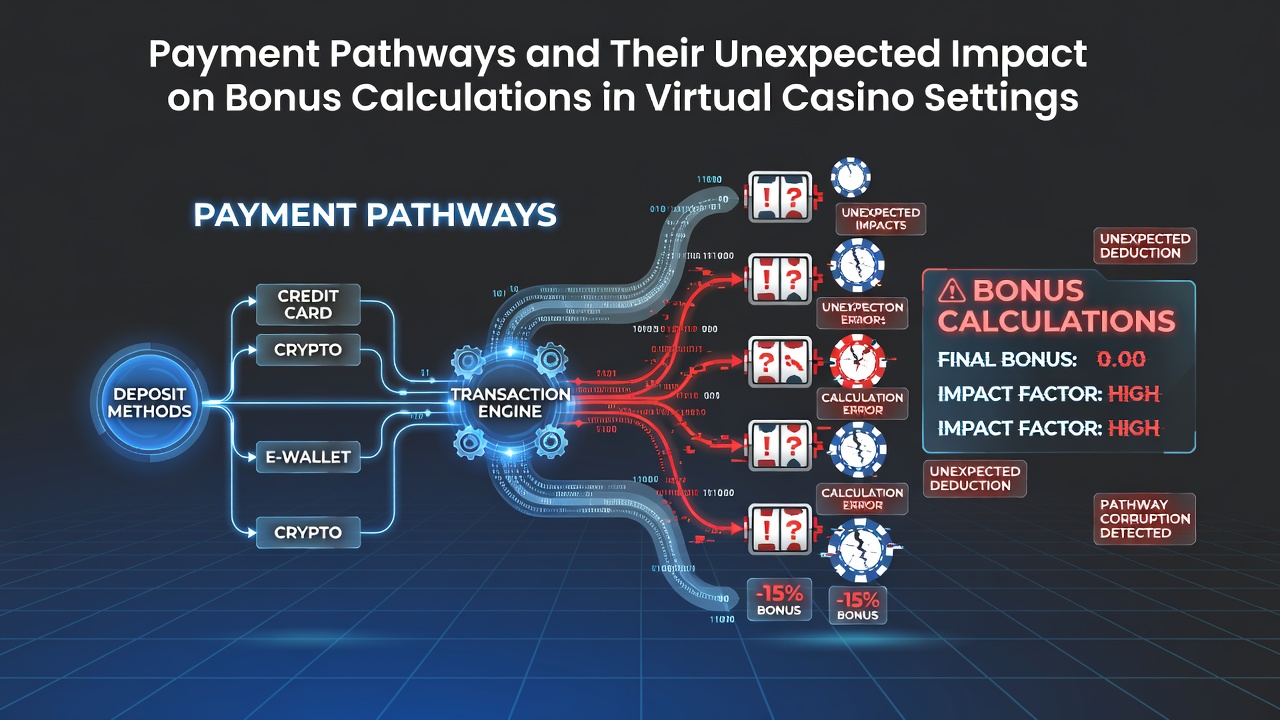
Payment pathways in virtual casino environments determine more than just how funds move from player accounts to gaming platforms, since these routes directly shape the algorithms that calculate bonus eligibility, multipliers, and wagering requirements across multiple operators.
Operators track deposit origins through specific channels, which means that choices such as e-wallets, bank transfers, prepaid cards, or cryptocurrency networks each trigger distinct processing flags that feed into backend systems responsible for assigning promotional values.
Mechanics of Deposit Identification and Bonus Allocation
Systems used by platforms categorize incoming transactions according to provider type, transaction speed, adn verification level, while those classifications then determine whether a deposit qualifies for standard bonuses, enhanced match percentages, or restricted promotional pools that exclude certain methods entirely.
Research from the American Gaming Association shows that transaction metadata influences how software assigns bonus codes, because automated scripts scan for patterns like instant processing times associated with particular e-wallets that often receive priority weighting in reward formulas.
Observed Patterns Across Different Payment Types
Prepaid card deposits frequently bypass intermediate verification layers that slower bank routes encounter, which results in quicker crediting and therefore earlier activation of time-sensitive bonus windows that expire within set periods after deposit confirmation.
Cryptocurrency pathways introduce additional variables because blockchain confirmation times vary by network congestion, yet platforms that accept these methods sometimes apply adjusted multiplier rates to account for volatility factors that traditional fiat routes do not trigger.
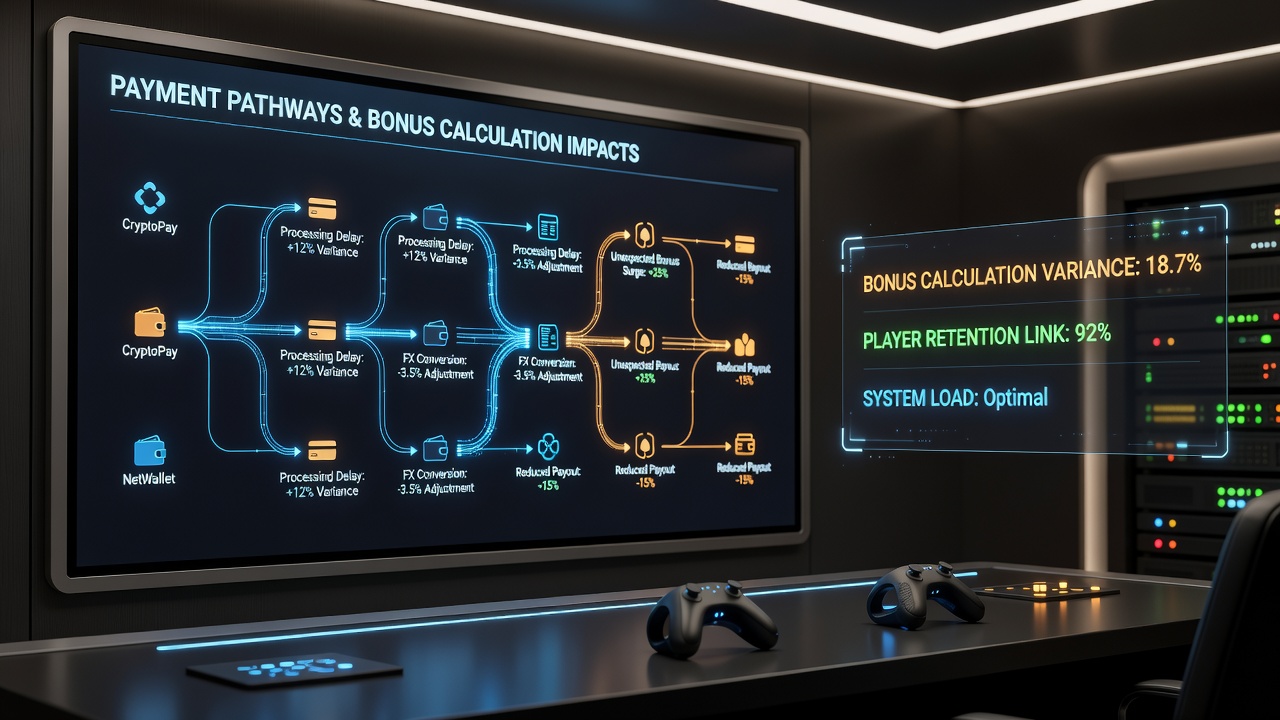
Industry reports compiled by research institutions in Canada highlight cases where players using certain digital wallet services encountered higher effective bonus percentages compared with those routing funds through conventional credit options, since the former methods align with operator preferences for reduced chargeback risks.
Regional Regulatory Contexts and Data Trends
Analyses conducted by the Nevada Gaming Control Board have documented how payment channel selection correlates with differences in reported bonus utilization rates, because regulatory filings require operators to disclose promotional structures tied to transaction sources.
Figures expected from broader North American market reviews in June 2026 project continued growth in the share of deposits processed through instant methods, which in turn affects how bonus calculation engines distribute available promotional budgets across player segments.
Observers note that operators adjust bonus parameters periodically to balance incentives across payment categories, while those adjustments occur in response to volume data collected from each pathway rather than uniform application of reward rules.
Case Examples of Pathway-Driven Variations
One documented scenario involved players depositing via trust-based instant transfer services who received bonus amounts calculated at elevated percentages, because the operator's system flagged those routes as lower risk and therefore eligible for accelerated reward tiers.
Another instance revealed that cryptocurrency deposits processed through specific networks sometimes triggered separate bonus pools with distinct wagering multipliers, as the platforms sought to manage currency conversion exposures separately from standard fiat calculations.
Conclusion
Payment pathways therefore serve as foundational inputs that reshape bonus calculation outcomes in virtual casino settings, since operators integrate transaction metadata into automated systems that assign promotional values according to method-specific criteria established through internal risk and volume assessments. Data from multiple regulatory and industry sources continues to illustrate these connections without uniform application across all platforms or regions.