Payment Portals as Gatekeepers: Exploring How Deposit Methods Determine Access to Exclusive Gaming Incentives
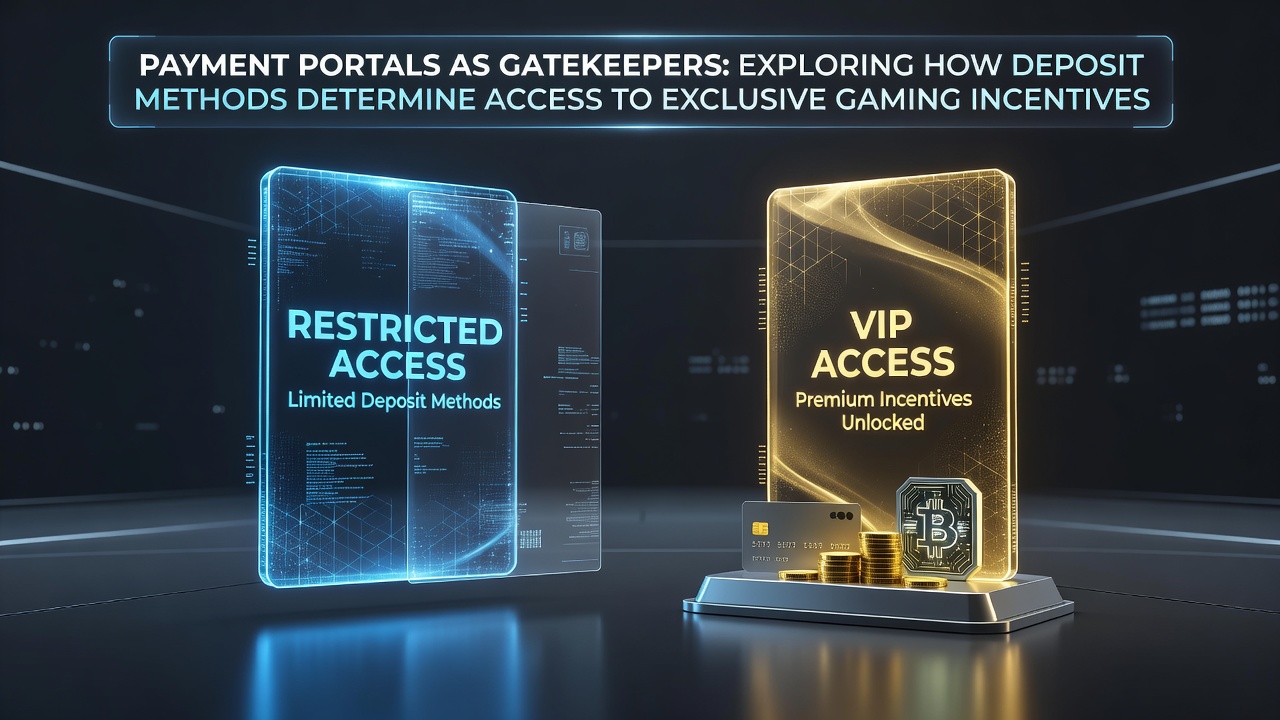
Payment portals function as entry points that shape which players qualify for promotional offers at gaming platforms, since operators link incentives to specific funding channels based on processing costs, verification requirements, and compliance standards. Certain deposit options trigger immediate eligibility for free spins or deposit matches while others route users toward standard play only, and this pattern stems from backend agreements between platforms and financial service providers.
Transaction Pathways and Incentive Structures
Operators design bonus programs around deposit methods that minimize fraud risk and transaction fees, which means credit card deposits often unlock tiered rewards faster than bank transfers because card networks provide quicker settlement and built-in dispute resolution. E-wallet services such as Skrill or Neteller frequently appear in promotional terms because they reduce chargeback exposure, yet platforms impose separate bonus categories for users who choose those routes to account for the higher merchant fees those providers charge.
Prepaid card options create another layer of filtering since many sites restrict them from contributing to welcome packages, a practice rooted in the cards' limited verification data and higher incidence of charge disputes. Cryptocurrency deposits have gained traction in recent years because blockchain transactions bypass traditional banking delays, and several platforms now offer exclusive reload bonuses or cashback deals tied exclusively to Bitcoin or Ethereum wallets to attract tech-savvy users.
Regulatory Influences on Access Rules
Regional licensing bodies impose rules that further dictate which payment methods can support promotional activity, and these guidelines affect how operators structure their incentive offerings. In markets overseen by bodies such as the Nevada Gaming Control Board, strict standards around player fund segregation require platforms to verify deposit sources before releasing bonus funds, which effectively gates certain promotions behind methods that support robust identity checks.
Similar frameworks in other jurisdictions create parallel effects, where operators must align payment partnerships with local consumer protection mandates. Data collected across multiple licensed markets shows that deposit methods with integrated KYC tools correlate with higher bonus redemption rates because they streamline compliance steps that otherwise delay reward activation.
Processing Timelines and Player Eligibility
Speed of fund clearance directly influences bonus availability, since instant deposits via instant bank transfer services allow players to meet wagering windows that slower methods cannot satisfy. Platforms often reserve time-sensitive promotions for payment channels that settle within minutes rather than days, and this distinction appears in terms and conditions that explicitly exclude certain wire or check options from promotional playthrough calculations.
Observers note that players who rely on traditional bank wires sometimes find themselves locked out of flash promotions because the deposit arrives after the offer period closes, whereas those using digital wallets meet the timing thresholds and gain access to the associated rewards. Industry reports compiled through 2025 indicate steady growth in the share of bonuses reserved for faster-settling methods, a trend expected to continue as platforms refine their operational efficiencies.
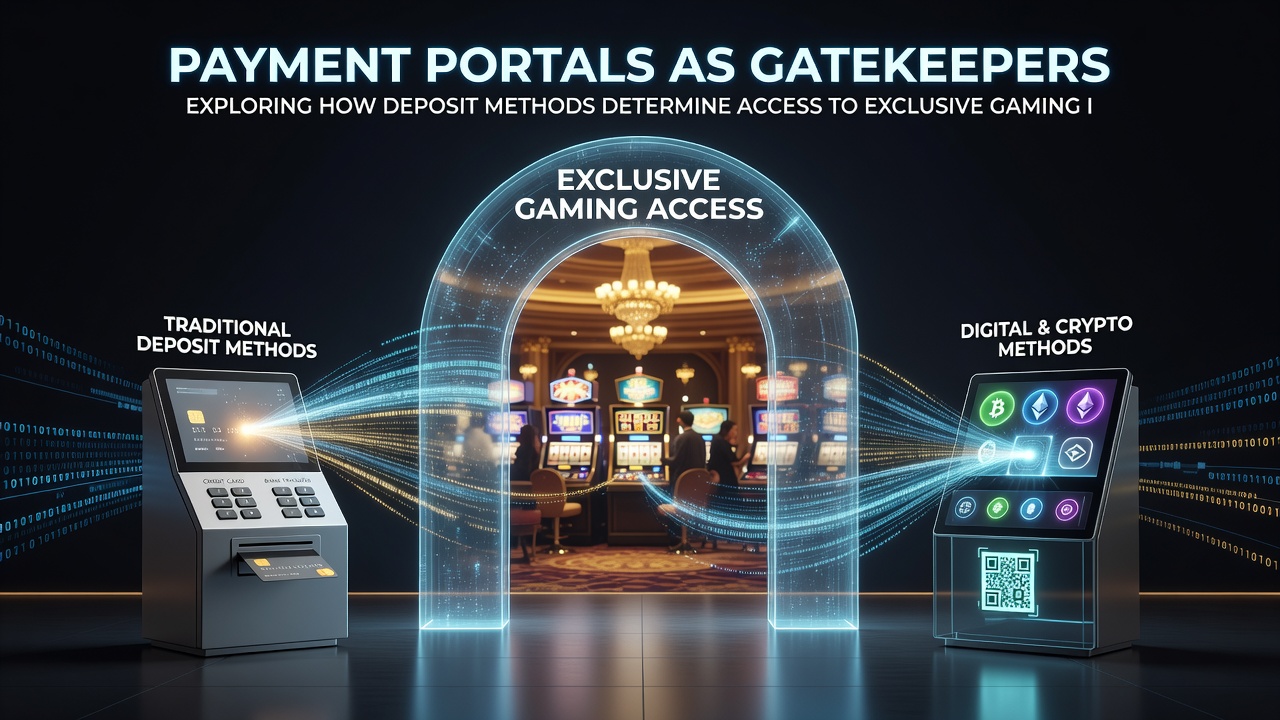
Geographic Variations in Payment-Bonus Linkages
European markets regulated under frameworks from the Malta Gaming Authority demonstrate distinct patterns compared with North American or Asian jurisdictions, where local banking restrictions limit which deposit types qualify for incentives. Australian operators, guided by oversight from the Australian Communications and Media Authority, apply additional filters that tie bonus eligibility to methods supporting responsible gambling tools such as deposit limits and self-exclusion flags.
Research from academic institutions tracking global gaming trends reveals that cross-border platforms adjust their promotional menus by region to comply with these varying rules, resulting in players in one country accessing different incentive tiers than those in another despite using identical deposit methods. The variation arises because payment processors maintain separate agreements per regulatory zone, and those agreements dictate which bonuses operators may attach to each channel.
Emerging Trends Through Mid-2026
By June 2026, several major platforms had begun testing incentive programs that require deposits through verified stablecoin channels to access premium loyalty tiers, a shift driven by lower volatility concerns and enhanced transaction traceability. Industry analyses project continued expansion of such programs as more jurisdictions finalize rules around digital asset integration in gaming environments.
Those studying payment ecosystems observe that the gatekeeping effect strengthens when platforms introduce tiered verification levels, where basic accounts using standard cards receive only entry-level offers while fully verified users of instant methods unlock higher-value packages. This structure reflects operational decisions rather than arbitrary policy and aligns reward distribution with the cost structures of each payment provider.
Conclusion
Payment portals therefore serve as practical gatekeepers because operators calibrate incentive access to match the technical and regulatory characteristics of each deposit method, and this calibration produces measurable differences in which players reach exclusive offers. The patterns hold across multiple markets and continue evolving with new payment technologies and oversight updates.