Spalding's Merkur Slots Venue Stalls on 24/7 Dream: Appeal Rejection Spotlights Noise Over Economic Gains
Spalding's Merkur Slots Venue Stalls on 24/7 Dream: Appeal Rejection Spotlights Noise Over Economic Gains

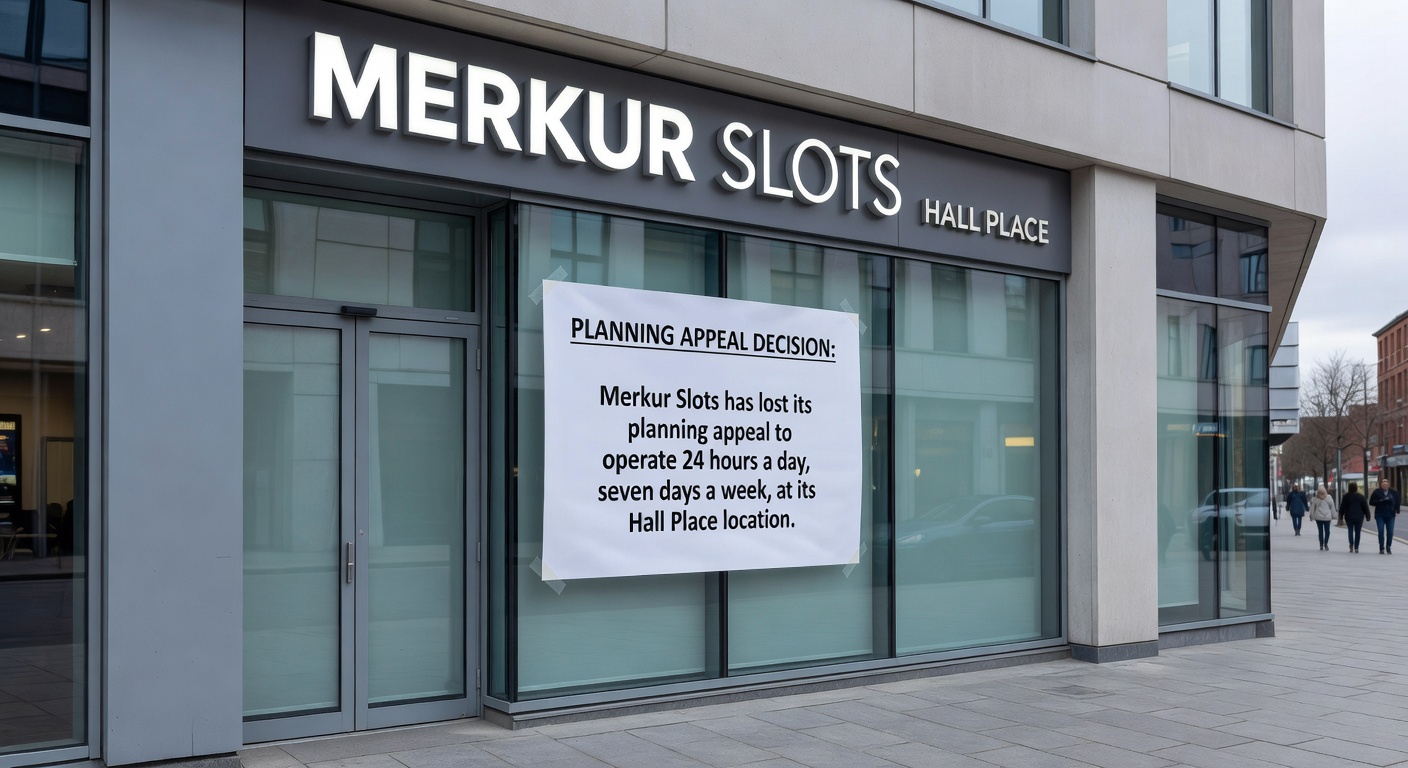
In a decision that underscores tensions between gambling venue expansions and residential peace, the Planning Inspectorate has dismissed Merkur Slots' appeal to extend hours at its Hall Place location in Spalding, Lincolnshire; operators sought round-the-clock access seven days a week, but inspectors ruled the move would disrupt neighbors through excessive noise and disturbance, even as limited job creation dangled as a counterpoint.
That ruling, detailed in official documents, came after South Holland District Council initially blocked the proposal; Merkur Slots, known for its cluster of slot machines and gaming terminals in adult gaming centres across the UK, pushed back via appeal, arguing economic upsides for the town, yet the inspectorate found resident wellbeing trumped those claims.
Spalding, a market town in eastern England with around 34,000 residents, hosts this Merkur venue at Hall Place Gardens; the site operates currently under restricted hours, typically closing late evenings, but the bid aimed for non-stop play, potentially drawing night owls and shifting the area's quiet rhythm.
Background on the Venue and Initial Push
Merkur Slots, part of the German-based Merkur Gaming empire with a strong UK footprint, runs high-street arcades featuring modern slots and electronic roulettes; at Hall Place, the venue sits amid housing, close enough that comings and goings echo through back gardens, especially under cover of night.
The company applied to South Holland District Council for a variation in planning conditions, seeking to scrap closing times entirely; council planners rejected it outright, citing harm to nearby homes' amenity, where late-night machine hums, chatter, and car doors slamming could pierce the stillness, and Merkur escalated to the Planning Inspectorate for a final say.
During hearings, evidence piled up on both sides; Merkur highlighted potential for a few extra jobs and footfall boosting local trade, but acoustic assessments and resident testimonies painted a different picture, with projections of increased vehicle movements between midnight and 5am clashing against the suburb's residential fabric.
The Inspectorate's Key Findings
What's interesting here is how the inspector weighed factors meticulously; noise from patrons arriving post-pub hours emerged as the crux, with doors banging, voices carrying, and engines revving likely to disturb sleep patterns in adjacent properties, despite Merkur's pledges for soundproofing tweaks.
Data from site visits and submitted reports indicated baseline noise already borderline; extending to 24/7 would tip it over, harming living conditions protected under national planning policy framework guidelines, which prioritize residential quality where developments encroach.
Turns out, economic benefits fell short too; the inspector noted only marginal job gains, perhaps one or two roles, insufficient against the "significant adverse impact" on neighbors, and no compelling evidence showed Spalding's economy hinged on endless slot access.
That said, Merkur had history on its side somewhat; other venues operate late nearby, but the inspector distinguished this case, given Hall Place's tight residential squeeze, where gardens back right onto the car park.
Campaigners Celebrate as a Turning Point
Charles and Liz Ritchie, who founded Gambling with Lives after losing their son Jack to gambling-related suicide in 2019, led the charge against the extension; their charity, focused on curbing gambling harm especially among youth, rallied locals and submitted objections highlighting not just noise, but risks of 24/7 access fueling addiction cycles.
The Ritchies called the outcome a "small victory," per BBC coverage, after months of advocacy that amplified resident voices; their involvement drew attention to how non-stop gambling spots can exacerbate harms, with easy access blurring lines between leisure and compulsion, particularly in quiet towns like Spalding.
People who've followed similar battles note Gambling with Lives' strategy often sways planners; by linking venue hours to broader public health concerns, they shifted focus from pure economics to holistic community impacts, and this win bolsters their push against normalized all-hours betting.
Details of the Planning Process Unpacked
The appeal process itself followed standard protocol; after council refusal in late 2024, Merkur lodged paperwork early 2025, triggering written representations and a site inspection, where the inspector toured at dusk to gauge ambient sounds firsthand.
Submissions included noise modeling from acoustic experts, showing decibel spikes from doors and HVAC units running overnight; residents countered with logs of current disturbances, like Friday night peaks when crowds linger, and the inspector sided with caution, refusing conditions that might mitigate but not erase the issues.
Now, with dismissal confirmed recently, Merkur must stick to existing hours—typically until 10pm weekdays, midnight weekends—keeping the venue viable yet contained; appeals like this often wrap in months, but delays frustrated operators hoping for quicker verdicts.
Implications for Local Gaming Landscape
Observers point out this ruling sets a precedent for UK high-street gaming centres eyeing 24/7 status; in residential zones, planners increasingly scrutinize noise alongside economic pitches, and Spalding's case highlights how adult gaming centres (AGCs), capped at 80 Category B2/B3 machines per site, face hurdles expanding footprints.
But here's the thing: Merkur operates over 400 UK sites, many thriving under standard hours, so this loss stings locally but doesn't derail the chain; still, it spotlights Lincolnshire's cautious stance, where councils balance tourism draws against suburb sanctity.
Residents, meanwhile, breathe easier; groups like the Ritchies emphasize prevention, arguing 24/7 models mimic online always-on gambling, potentially drawing vulnerable players when inhibitions wane late, and this decision reinforces buffer protections around such venues.
Studies from bodies like the Responsible Gambling Council in Canada echo these concerns, showing extended hours correlate with higher problem gambling rates in proximate communities, though UK specifics vary by venue type.
Broader Context Within Planning Norms
National planning policy framework, NPPF paragraph 187, guides such calls, demanding developments safeguard amenity; inspectors apply it rigorously in appeals, often favoring objectors when evidence tilts toward disruption, and Spalding fits that mold perfectly.
Yet Merkur isn't alone; chains like Cashino and Admiral navigate similar bids, sometimes winning in commercial hubs but faltering near homes, where the rubber meets the road on "material considerations" like cumulative impacts from multiple late spots.
So, while this venue holds pattern, the inspectorate's logic—prioritizing lived experience over projected gains—ripples out, reminding operators that community buy-in matters as much as revenue forecasts.
Looking Ahead: What Happens Next
With appeal exhausted, Merkur could seek judicial review, though grounds seem slim given the inspectorate's detailed rationale; more likely, they optimize current setup, perhaps lobbying for minor tweaks like better glazing, while residents watch for compliance.
The Ritchies, undeterred, eye other fronts; their "small victory" fuels campaigns nationwide, tying venue hours to harm reduction, and as of early 2026, discussions in Lincolnshire councils ponder tighter AGC rules amid rising awareness.
It's noteworthy that such cases surface periodically, reflecting evolving views on gambling's community footprint; experts who've tracked appeals observe planners leaning protective, especially post-pandemic when home life amplified noise sensitivities.
Conclusion
This Planning Inspectorate dismissal at Spalding's Merkur Slots crystallizes a core clash: gambling venue ambitions versus residential tranquility; noise and disturbance outweighed sparse economic perks, vindicating campaigners like the Ritchies and reinforcing planning safeguards.
Moving forward, the decision shapes local precedents, ensuring Hall Place remains a daytime draw rather than nocturnal nuisance, while highlighting how community voices, backed by evidence, steer outcomes in Britain's gaming landscape.