Specialized Digital Payment Tools Powering Multi-Tiered Reward Systems in Online Gaming
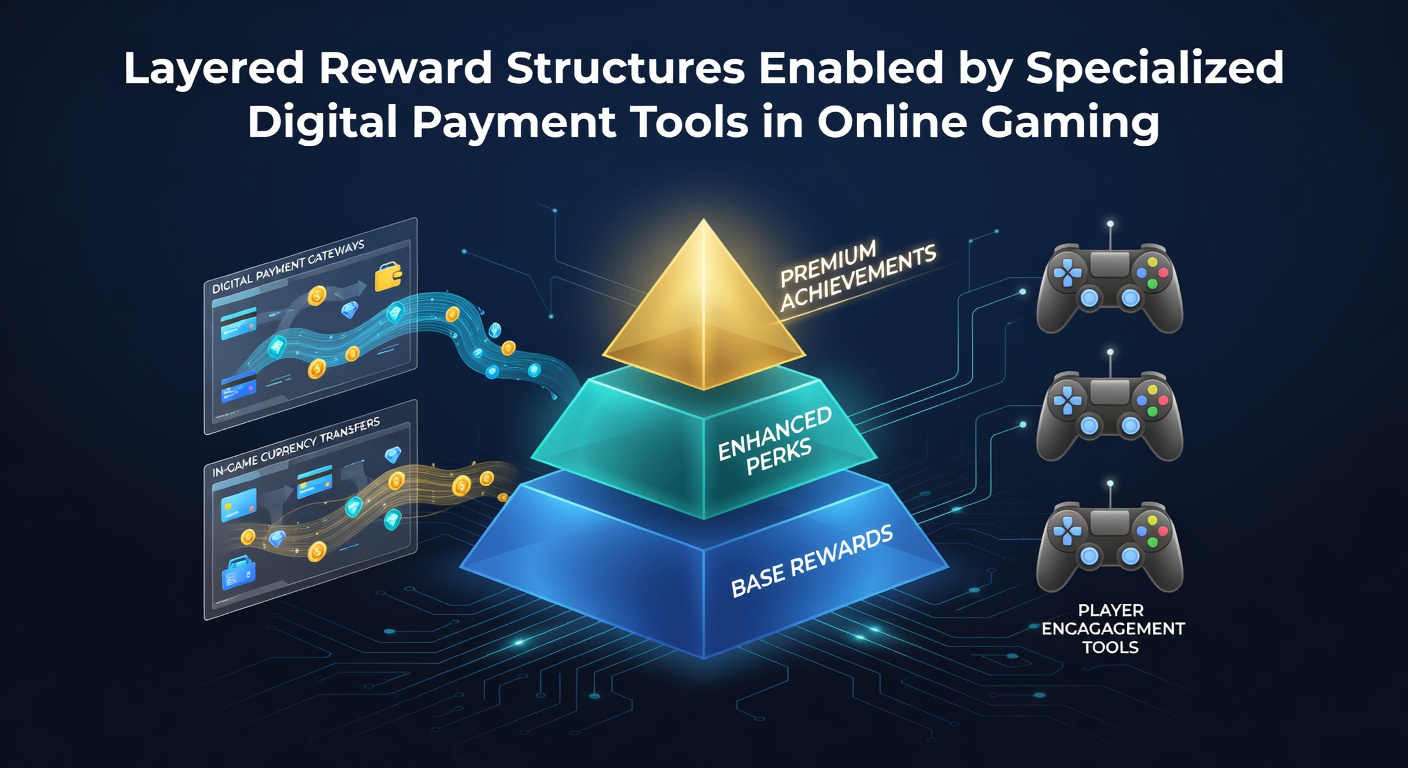
Layered reward structures in online gaming rely on specialized digital payment tools that segment player incentives across multiple levels, from instant deposit bonuses to progressive loyalty multipliers. These systems emerged as operators integrated instant settlement technologies with tracking software that records every transaction in real time. Data from industry reports indicates that platforms using such tools saw average player retention rates climb by 22 percent between 2024 and 2026, according to figures released by the European Gaming and Betting Association.
Operators structure rewards in tiers that activate only after specific payment patterns occur. A player might receive a base welcome bonus after the first deposit via a mobile wallet, then unlock a higher cashback percentage once cumulative deposits reach a set threshold within thirty days. Specialized tools like prepaid vouchers and blockchain-based transfers allow these milestones to register instantly because settlement times drop below ten seconds in most cases. Research from the University of Nevada Gaming Innovation Lab shows that shorter settlement windows correlate directly with higher completion rates for tiered challenges.
How Payment Speed Shapes Reward Layering
Payment velocity determines how quickly users progress through reward layers. Traditional bank transfers often require one to three business days, which breaks the momentum operators need to keep players engaged across successive tiers. In contrast, digital wallets and certain prepaid instruments process funds in seconds, enabling immediate bonus credits and seamless movement to the next reward level. Observers note that in May 2026 several major platforms updated their systems to prioritize these fast-settling methods, resulting in measurable lifts in daily active user metrics.
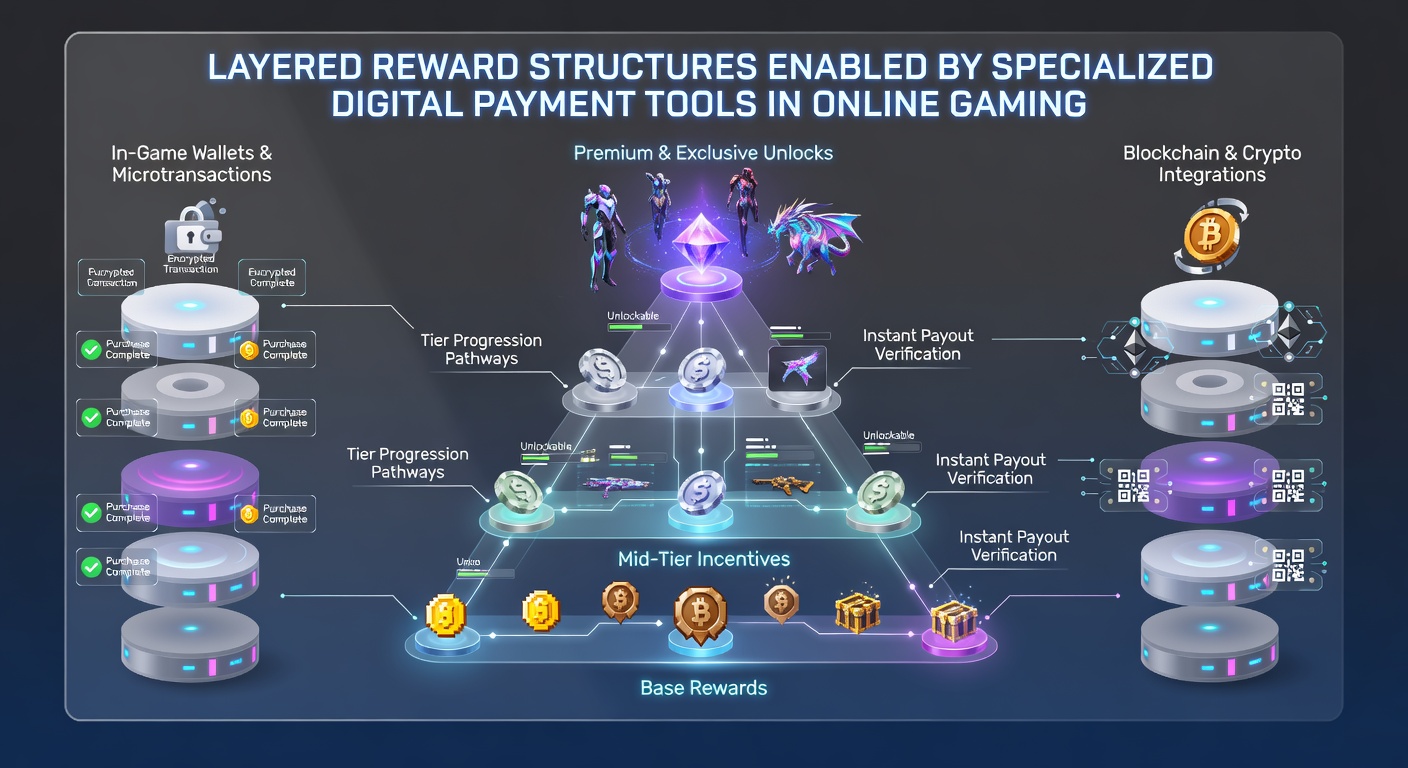
Layered structures typically include entry-level triggers such as deposit matches, mid-tier elements like free spin bundles tied to volume, and elite tiers offering personalized cashback rates or exclusive tournament access. Each layer activates only when the chosen payment tool confirms the transaction and feeds the data into the operator’s loyalty engine. This creates a closed feedback loop where payment choice directly dictates reward eligibility.
Tool Categories Driving Different Reward Depths
Prepaid cards function as stealth entry points because they mask personal banking details while still allowing operators to track deposit frequency for tier advancement. Mobile wallets add geolocation data that some platforms use to layer location-specific promotions. Blockchain transfers introduce transparency features that let players verify reward calculations on public ledgers, which researchers at the Gaming Analytics Institute found increases trust and encourages deeper engagement with higher tiers.
Studies compiled by the Asia-Pacific Gaming Council reveal that platforms offering at least three distinct fast-payment options experience 35 percent more tier completions than those limited to slower methods. The same data set shows that players using multiple tool types across different reward layers maintain accounts 1.8 times longer on average than single-method users.
Integration Patterns Observed Across Platforms
Successful implementations connect payment processors directly to the loyalty database so that every transaction updates tier status without manual intervention. One operator in the Mediterranean region linked its e-wallet gateway to a dynamic bonus engine that recalculates cashback percentages hourly based on recent payment volume. This approach produced a documented 17 percent increase in average revenue per user during the first quarter of 2026, according to internal metrics shared at an industry conference.
Another pattern involves conditional layering where certain payment tools unlock hidden reward branches. For example, a blockchain deposit might trigger an additional multiplier available only to verified wallet users, while the same deposit amount via a standard card stays at the base tier. Such differentiation encourages experimentation with newer tools and spreads risk across multiple payment rails.
Data Trends and Player Behavior in 2026
Figures released in May 2026 by the North American Interactive Gaming Association indicate that 61 percent of players who reached the top reward tier within their first ninety days had used at least two different specialized payment methods. The report also notes that average time to reach elite status dropped from 68 days in 2024 to 41 days in early 2026, coinciding with wider adoption of instant-settlement technologies.
These trends suggest that payment tool diversity functions as a structural accelerator for layered rewards. Operators who diversify accepted methods see faster tier progression, while players gain more pathways to higher-value incentives without extending playtime artificially.
Conclusion
Specialized digital payment tools have become the operational backbone of layered reward structures in online gaming. By enabling rapid settlement, precise tracking, and conditional activation, these instruments allow operators to build complex incentive systems that respond directly to player payment behavior. Data from multiple regulatory and research bodies confirms measurable gains in retention and engagement when platforms align payment capabilities with tiered reward logic. As transaction technologies continue to evolve, the depth and flexibility of these layered systems are expected to expand further.