Strategic Fund Routing Pathways That Shape Layered Incentive Structures Across Digital Gaming Networks
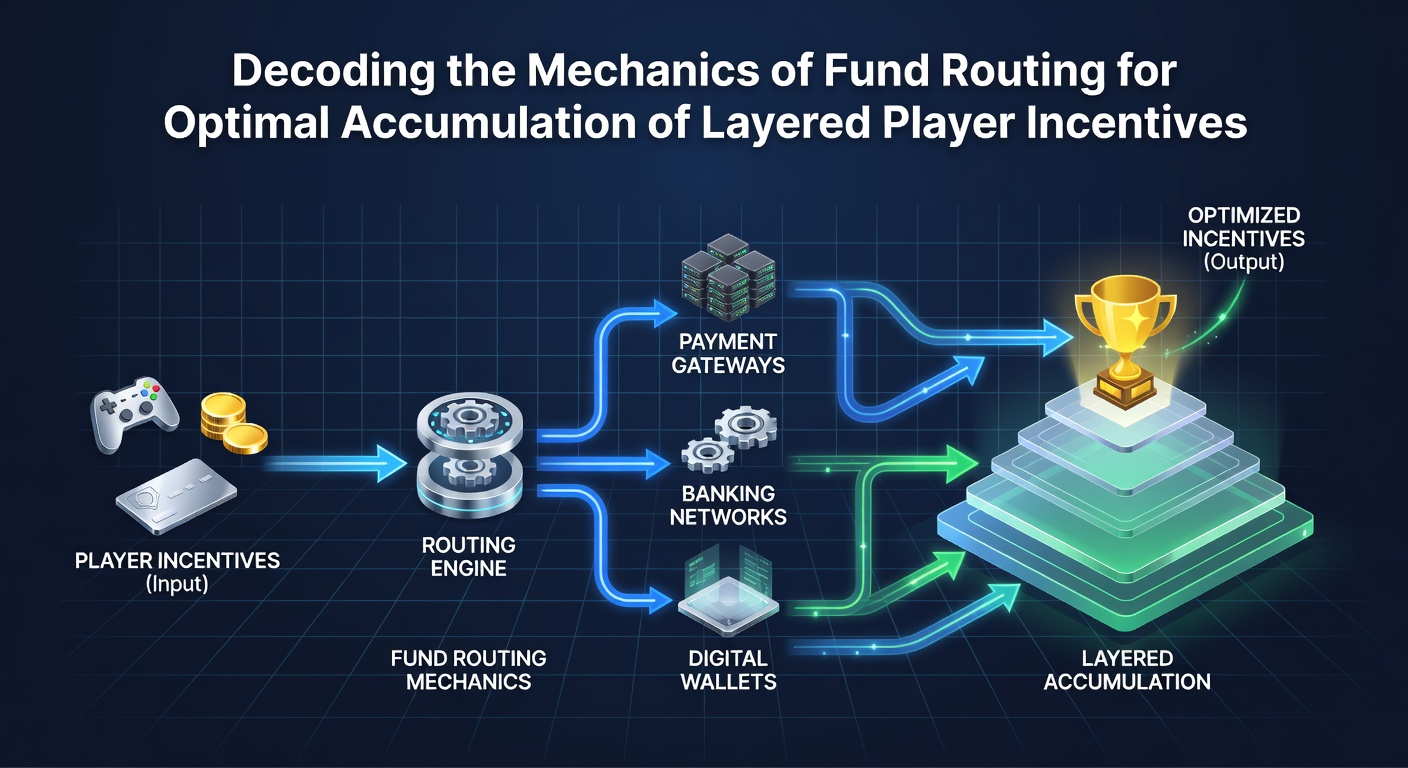
Payment processors direct funds through specific channels that determine which incentive layers become available to players, and these pathways operate according to rules established by each platform's terms along with processor agreements. Observers note that routing decisions made at the deposit stage influence eligibility for initial match bonuses, subsequent free spin allocations, and cashback tiers that stack on top of one another when clearing conditions align properly.
Data from multiple jurisdictions shows that electronic wallet transfers often bypass certain verification delays that traditional bank wires encounter, allowing incentive accumulation to begin within the same session rather than after a multi-day hold period. Yet the same speed can limit access to high-value progressive layers if the chosen processor falls outside the platform's preferred partner list, which researchers tracking transaction patterns documented throughout 2025 and into June 2026.
Core Components of Fund Routing Mechanics
Each routing decision involves three primary variables: the originating payment method, the intermediary processor network, and the destination platform's bonus engine that assigns incentive codes. When funds travel through an e-wallet that supports instant settlement, the bonus engine registers the deposit under a high-priority category that unlocks both the base match and an additional reload layer within a 24-hour window. In contrast, routes that pass through card networks may trigger separate risk checks that place the same deposit into a standard tier, limiting players to one incentive level until additional wagering clears the initial funds.
Industry reports compiled by the New Jersey Division of Gaming Enforcement indicate that platforms using multi-processor routing achieve higher average incentive redemption rates because players can select the pathway that matches their preferred accumulation strategy. Those same reports highlight how processor agreements updated in early 2026 expanded support for stablecoin routes that settle directly into bonus wallets without intermediate fiat conversion steps.
Layered Incentive Accumulation Through Sequential Routing
Layered incentives function as sequential gates where each completed clearing requirement opens the next reward tier, and fund routing determines whether a single deposit can satisfy multiple gates simultaneously. A player who routes an initial deposit through a processor that qualifies for both welcome and loyalty matching receives credit toward the first and second layers at once, whereas a mismatched route forces separate deposits to activate each layer independently. According to transaction velocity studies conducted by the University of Nevada, Las Vegas Center for Gaming Research, platforms that expose routing options at checkout see measurable increases in players progressing through three or more incentive layers within a single calendar month.
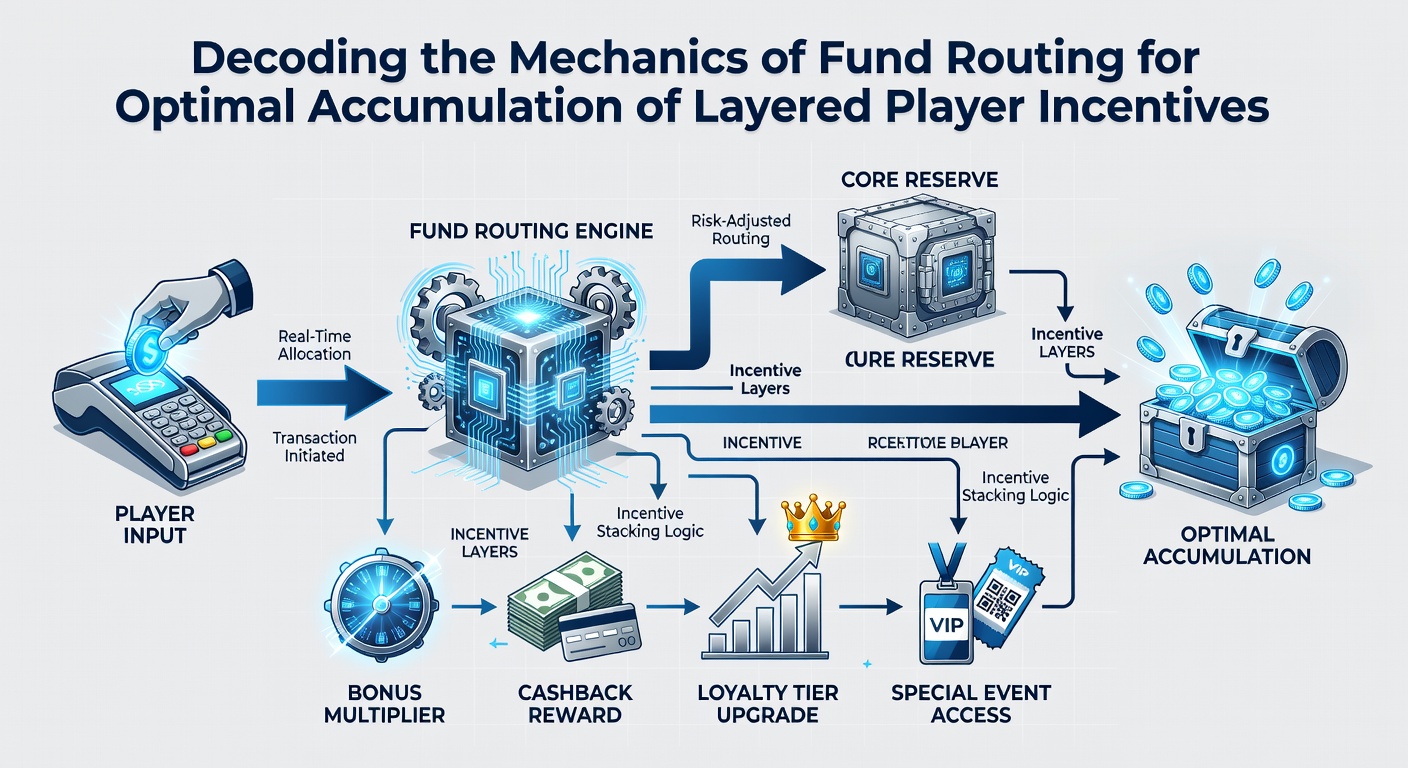
Processors that embed metadata tags during transfer allow platforms to automatically assign deposits to the correct incentive bucket, reducing manual intervention and accelerating the transition from one layer to the next. Observers tracking these systems note that the metadata must match predefined fields exactly, otherwise the deposit defaults to the lowest available tier even when faster routing was used.
Processor Selection and Its Effect on Clearing Timelines
Clearing timelines vary by processor because each network applies distinct settlement rules that interact with platform wagering requirements. Routes completed via instant bank transfer services often receive same-day clearance codes, enabling players to move from the first incentive layer into cashback calculations without waiting for batch processing cycles. Data released by the Australian Communications and Media Authority shows that platforms offering multiple routing choices recorded shorter average time-to-clearance across player cohorts during the first half of 2026 compared with single-processor environments.
Yet certain routes carry built-in restrictions that prevent simultaneous layer activation, such as exclusions on bonus stacking when funds originate from prepaid voucher systems. Players who map these restrictions in advance can select the processor that aligns deposit speed with the maximum number of active incentive gates.
Regulatory Frameworks Governing Routing Practices
Regulatory bodies in several regions require platforms to disclose routing options and their impact on incentive eligibility at the point of deposit. These disclosures must appear in plain language that explains how different pathways affect bonus code assignment and clearing periods. The Malta Gaming Authority updated its player protection guidelines in late 2025 to include specific language about routing transparency, requiring operators to list accepted processors alongside any known limitations on layered reward access.
Compliance teams now integrate routing logs into audit trails so that regulators can verify whether players received accurate information before selecting a particular pathway. Figures released in June 2026 from multiple oversight agencies confirm that clearer routing disclosures correlate with fewer player complaints regarding unexpected incentive tier restrictions.
Conclusion
Fund routing mechanics directly control which incentive layers players can access and how quickly those layers become available after each deposit. Platforms that present routing choices alongside clear eligibility details enable more precise alignment between payment selection and reward accumulation goals. Continued updates to processor integrations and regulatory disclosure standards will likely refine these pathways further as transaction data from 2026 informs future system designs.