The Connection Between Deposit Options and Bonus Eligibility in Virtual Gaming Platforms
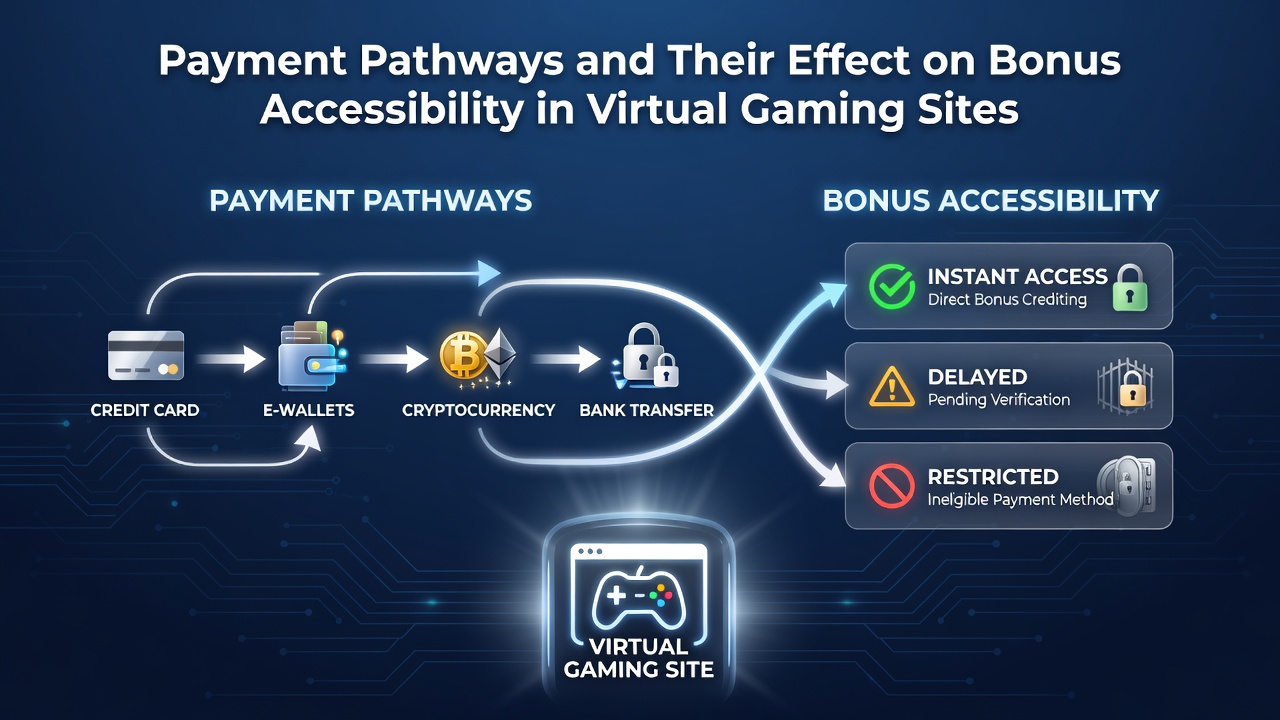
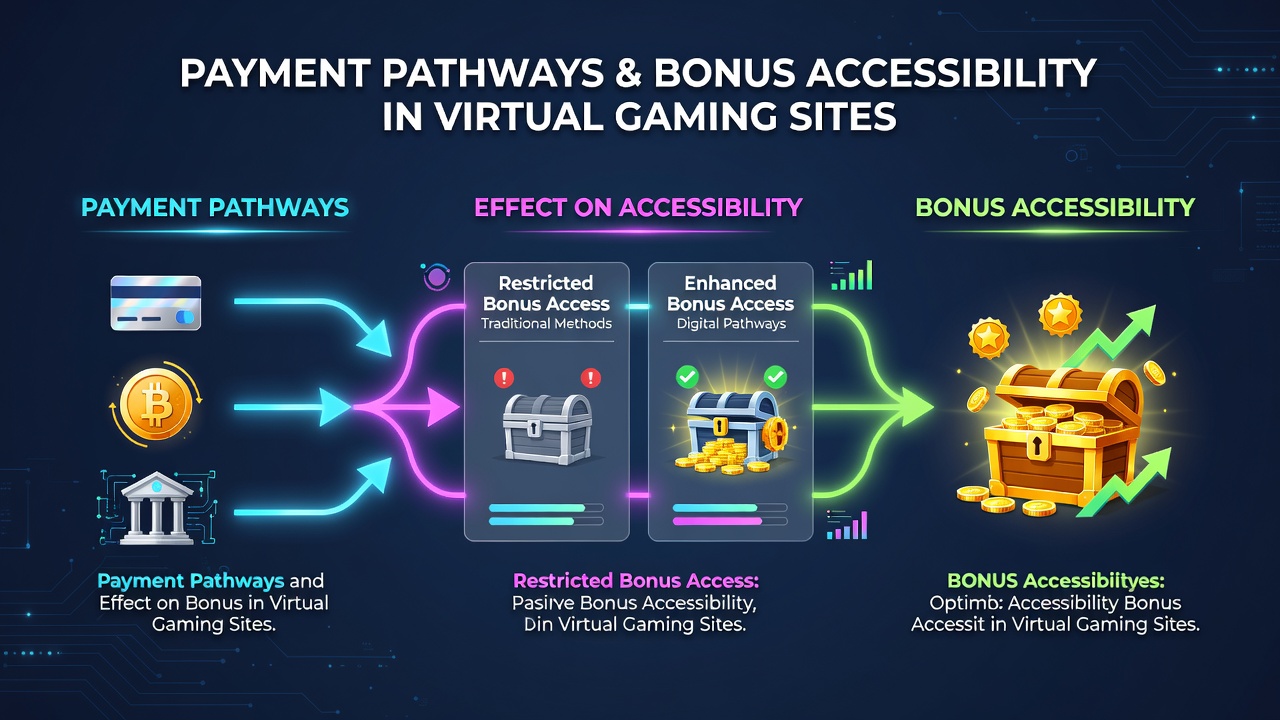
Payment pathways in virtual gaming sites determine which bonuses players can access because operators set strict rules around acceptable funding methods for promotional offers. Data from industry reports shows that e-wallets often qualify for welcome bonuses while bank transfers sometimes face exclusions due to longer processing times. Researchers have noted that these distinctions arise from risk management practices where faster and more traceable methods receive priority treatment in bonus programs.
Common Payment Pathways and Their Bonus Qualifications
Digital wallets such as Skrill and Neteller frequently appear on approved lists for casino promotions because they enable instant deposits that align with time-sensitive bonus claims. Prepaid cards and certain debit options also receive acceptance at many platforms though some sites limit them to specific reward tiers. Cryptocurrency transfers have gained traction in recent years and operators in various regions now integrate them into bonus structures provided the transactions meet verification standards.
Bank wires and direct account transfers often carry restrictions because they require additional confirmation steps that delay bonus activation. Observers note that players using these methods may still access standard gameplay yet they encounter barriers when attempting to claim matched deposits or free spin packages. Studies from gaming associations indicate that processing speed directly correlates with bonus eligibility rates across multiple platforms.
Processing Timelines and Accessibility Patterns
Instant deposit methods create seamless pathways to bonus activation since funds appear in player accounts within seconds allowing immediate participation in promotional events. Slower options introduce gaps where time-limited offers expire before verification completes. Figures from European operators reveal that e-wallet users claim bonuses at higher rates than those relying on traditional bank routes because the latter group faces multi-day delays.
Withdrawal pathways follow similar patterns where bonus winnings become accessible only after meeting wagering requirements tied to the original deposit method. Certain platforms enforce additional rules that prevent bonus funds from moving through specific channels until conditions clear. This setup encourages players to select compatible payment options from the outset rather than switching mid-cycle.
Regional Regulatory Influences on Payment and Bonus Rules
Authorities in different jurisdictions establish guidelines that shape how operators link payments to bonuses. The European Gaming and Betting Association publishes reports detailing how payment transparency requirements affect promotional structures across member states. Operators adjust their bonus terms to comply with these standards while maintaining competitive offerings that attract diverse player bases.
In North America similar dynamics appear through oversight from bodies like the Nevada Gaming Control Board which monitors transaction integrity and influences how sites structure reward accessibility. Canadian regulators through organizations such as iGaming Ontario also examine payment pathways to ensure fair bonus distribution. These frameworks create consistent patterns where verified methods receive broader bonus support.
Trends Emerging in Mid-2026
By June 2026 analysts expect further integration of instant payment systems into bonus ecosystems as platforms adopt newer verification technologies. Research indicates rising use of account-to-account transfers that combine speed with compliance features. Operators continue to refine rules so that emerging methods like digital currencies align with existing bonus frameworks without introducing additional delays.
Industry data shows gradual shifts where more sites expand bonus eligibility to previously restricted pathways once security protocols strengthen. Players benefit when platforms update their terms to reflect these changes though verification remains a core requirement across all methods. Reports from trade groups highlight ongoing collaboration between payment providers and gaming operators to streamline these processes.
Conclusion
Payment pathways continue to serve as gatekeepers for bonus accessibility in virtual gaming environments. The alignment between deposit speed, regulatory compliance, and operator policies determines which rewards become available to users. Data from multiple regions demonstrates that informed selection of funding methods leads to smoother access while mismatched choices create unnecessary hurdles. As technologies evolve these connections will likely grow more integrated yet the fundamental link between transaction routes and promotional eligibility persists.