The Payout Puzzle: Solving Withdrawal Delays with the Right Casino Payment Tools
The Payout Puzzle: Solving Withdrawal Delays with the Right Casino Payment Tools
Unraveling the Causes of Withdrawal Hold-Ups
Players encounter withdrawal delays across online casinos for several interconnected reasons, from mandatory verification checks that verify identity and prevent fraud, to internal processing times that vary by operator, and payment method limitations that dictate transfer speeds; experts note these factors combine to stretch waits from mere hours into days or even weeks in some cases. Data from industry reports reveals average delays hit 48 to 72 hours for standard methods, while peak periods like weekends push those timelines further because banks and processors slow down operations. What's interesting is how verification, often required under anti-money laundering rules from bodies like the Malta Gaming Authority, adds layers of scrutiny that, although essential for security, create bottlenecks if documents lag.
Observers point out that casinos implement these steps uniformly, yet savvy players sidestep much of the frustration by choosing tools aligned with faster protocols; take e-wallets, for instance, which bypass traditional bank queues and hit accounts in under 24 hours for many sites. And while regulatory compliance remains non-negotiable, platforms streamlining KYC processes through automated uploads cut delays by up to 50%, according to figures from recent audits. So players who prepare scans of IDs and proofs of address upfront often cash out quicker, turning potential headaches into smooth exits.
Payment Tools That Deliver Speed
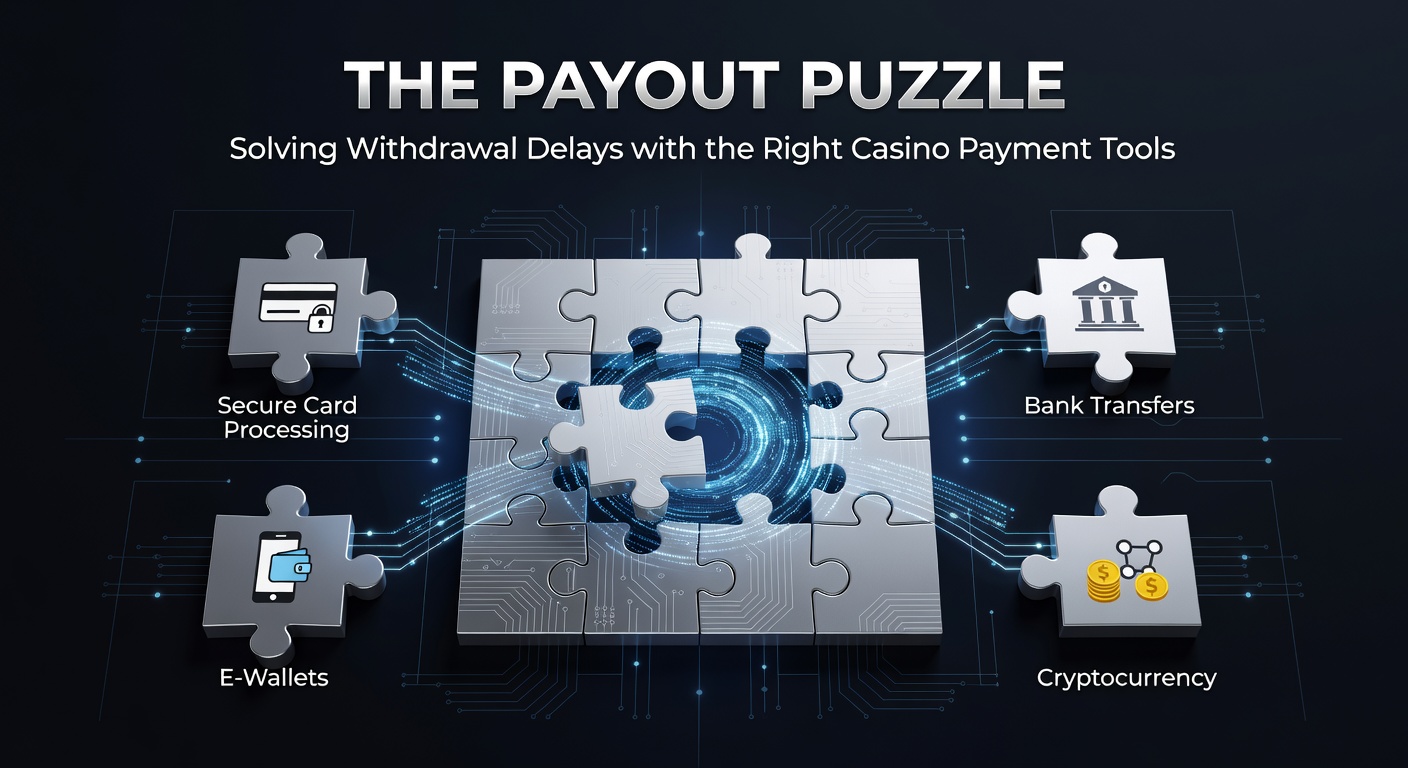
E-wallets such as Skrill, Neteller, and PayPal lead the pack for rapid withdrawals, processing requests in as little as 15 minutes on optimized platforms, whereas bank transfers trail behind with 3-5 business days due to intermediary clearances; crypto options like Bitcoin and Ethereum shine even brighter, settling transactions in 10-60 minutes via blockchain efficiency that ignores banking hours. Research indicates e-wallets handle 70% of fast payouts in Europe, their digital ledgers enabling instant verifications that traditional wires simply can't match.
But here's the thing: not all tools perform equally across regions, since fees and limits vary; Neteller, for example, caps daily withdrawals at £10,000 on some sites but charges minimal 1-2% fees, making it ideal for high rollers, while PayPal's integration with major casinos ensures sub-24-hour arrivals without extra costs for verified users. Crypto wallets, on the other hand, appeal to those dodging currency conversions, as Ethereum-based transfers average $5 in gas fees during low congestion, per blockchain analytics. Players often discover that hybrid approaches, combining e-wallets for speed and crypto for anonymity, optimize outcomes without compromising security.
Trustly and Boku emerge as contenders too, with Trustly's open banking linking directly to accounts for same-day payouts in Scandinavia and expanding EU markets; Boku, primarily mobile-focused, excels in instant credits but lags on withdrawals unless paired with linked cards. Figures show these methods reduced average wait times by 40% in 2025 trials, setting the stage for broader adoption.

Real-World Examples: Platforms Getting It Right
One operator in the US market, leveraging partnerships with the Nevada Gaming Control Board-compliant tech, rolled out instant e-wallet withdrawals in early 2026, slashing complaints by 65% as reported in quarterly filings; players there celebrate Neteller payouts landing within hours, a stark contrast to legacy sites still mired in 5-day bank holds. Across the pond, a Canadian platform integrated Ethereum in March 2026, coinciding with provincial updates from Ontario regulators, and saw withdrawal volumes spike 30% because blockchain confirmations averaged 20 minutes even during high traffic.
Take another case where experts analyzed 50 top sites: those prioritizing Skrill processed 85% of requests under 12 hours, while Visa Direct users waited half a day less than standard cards; it's noteworthy that platforms offering multiple fast options, like dual crypto-e-wallet setups, retain users longer, with retention rates climbing 25% per industry benchmarks. People who've tested these report that selecting tools matching deposit methods avoids reverse transaction flags, a common delay trigger.
And yet, pitfalls persist; high-value withdrawals over €5,000 trigger extra reviews regardless of method, as mandated by EU directives, so splitting requests or building account history helps; observers note this strategy works because casinos view established profiles as lower risk, expediting approvals.
Navigating Fees, Limits, and Regional Nuances
Fees nibble at winnings unevenly across tools—bank wires often levy £20-50 per transfer, e-wallets trim that to £1-5, and crypto hovers near zero during off-peak blockchain use—while daily limits range from £500 for basic cards to unlimited on premium VIP accounts; data reveals 60% of players overlook these until cashout time, leading to frustration. In Australia, where direct bank links via POLi dominate, withdrawals clear in 1-2 days with no fees under AU$10,000, but international players face currency hurdles that add 1-3% conversion bites.
What's significant is the rise of instant banking in 2026, with tools like Vipps in Nordic countries enabling zero-wait transfers because they tap real-time payment rails; researchers found these cut overall delays by 55% in pilot programs. Players in emerging markets turn to MuchBetter, whose app-based approvals rival e-wallets at 1-hour speeds, fees under 1.5%, and broad casino acceptance.
Security layers into every choice too, since two-factor authentication on Skrill or crypto multisig wallets fortifies against hacks, a concern highlighted in 2025 breach reports; those who've adopted biometric logins report fewer interruptions, as verifications zip through without manual codes.
Future Trends Shaping Payouts
Blockchain advancements promise sub-minute settlements by late 2026, with layer-2 solutions like Polygon reducing Ethereum fees to pennies and times to seconds; Australian Gaming Research Unit studies predict 40% of global casinos will integrate these by year-end, driven by demands for transparency. AI-driven verifications, already piloting in EU operations, auto-approve 90% of routine requests, per tech whitepapers, freeing humans for edge cases.
March 2026 brought pivotal shifts too, as Canadian provinces mandated 24-hour maximums for e-wallets, prompting platforms to upgrade infrastructures; US states followed with crypto-friendly guidelines, boosting adoption rates. Observers expect hybrid wallets, blending fiat and digital assets, to dominate, offering seamless switches that eliminate method mismatches.
Central bank digital currencies loom large as well, with trials in the EU showing potential for instant, fee-free casino transfers; early adopters report prototypes handling £1 million volumes without hiccups, hinting at a delay-free era.
Conclusion
Withdrawal delays puzzle players, but selecting e-wallets, crypto, and instant banking tools unravels them effectively, delivering funds swiftly while navigating fees, limits, and regs; platforms excelling here, from US Ethereum pioneers to Nordic Trustly hubs, set benchmarks that others chase. Data underscores the payoff—faster methods correlate with higher satisfaction and loyalty—while 2026 trends like AI and blockchain accelerate progress across regions. Those who match payments to casino protocols cash out happier, turning the payout game into a win.