Tracing Digital Fund Routes Across Borderless Gaming Networks: Regulatory Twists and Transfer Timelines
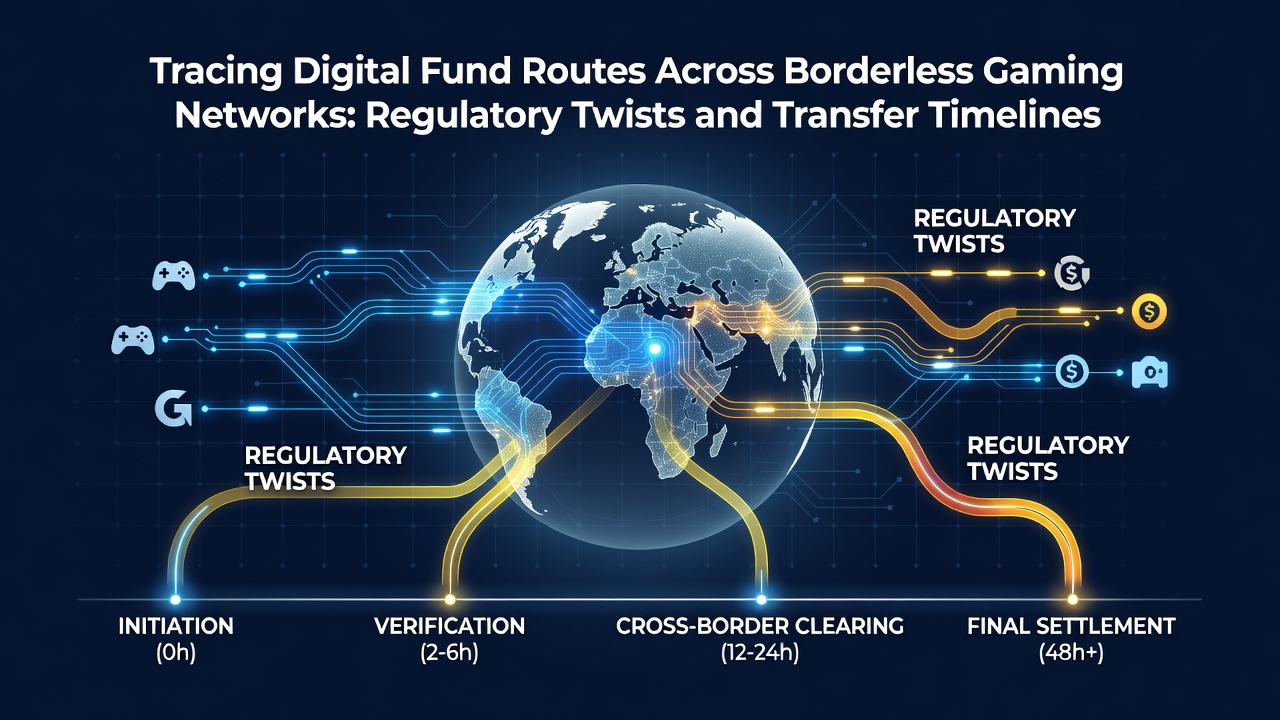
Borderless gaming networks operate through decentralized servers and cryptocurrency integrations that allow players from multiple jurisdictions to participate simultaneously, while fund movements follow layered digital routes that cross traditional banking borders and virtual wallet systems. Researchers have mapped these pathways using blockchain analytics tools that track wallet addresses and transaction hashes, revealing how funds often pass through mixers, exchanges, and intermediary gaming platforms before reaching final destinations.
Mapping the Digital Pathways
Transaction flows in these networks typically begin with player deposits via e-wallets or crypto assets, move through operator settlement accounts, and then disperse as winnings or affiliate commissions, and analysts at institutions like the Financial Crimes Enforcement Network note that many routes involve multiple hops across offshore entities to obscure origins. Data from blockchain monitoring services shows average paths span three to seven intermediary nodes, with timestamps indicating processing windows that range from minutes for direct crypto transfers to several business days when fiat conversions occur through licensed payment processors.
Observers tracking these routes highlight patterns where funds originating in high-regulation zones such as the European Union frequently route through jurisdictions with lighter oversight, creating compliance gaps that regulators seek to close through information-sharing agreements. One study from a Canadian research consortium documented over 2.4 million cross-border gaming transactions in a single quarter, with 38 percent involving at least one cryptocurrency conversion step that altered the visible audit trail.
Regulatory Frameworks and Recent Twists
Authorities in different regions apply varying rules to these networks, and the Australian Transaction Reports and Analysis Centre requires operators to report suspicious activity within 24 hours when patterns suggest layering or structuring. Updates scheduled for July 2026 will expand reporting thresholds for virtual asset service providers handling gaming-related transfers, mandating enhanced due diligence on wallets exceeding equivalent values of 5,000 Australian dollars. European directives meanwhile emphasize real-time monitoring protocols that integrate with gaming platform APIs, forcing operators to maintain immutable logs of every fund movement.
Compliance teams navigate these twists by implementing geo-fencing software that flags transactions from sanctioned regions, while industry groups collaborate on standardized data formats to streamline cross-border information exchange. Figures from a 2025 multi-jurisdictional report indicate that coordinated enforcement actions recovered approximately 47 million dollars in misrouted funds during the prior year, demonstrating how regulatory alignment can shorten investigation timelines from months to weeks.
Transfer Timelines and Operational Realities
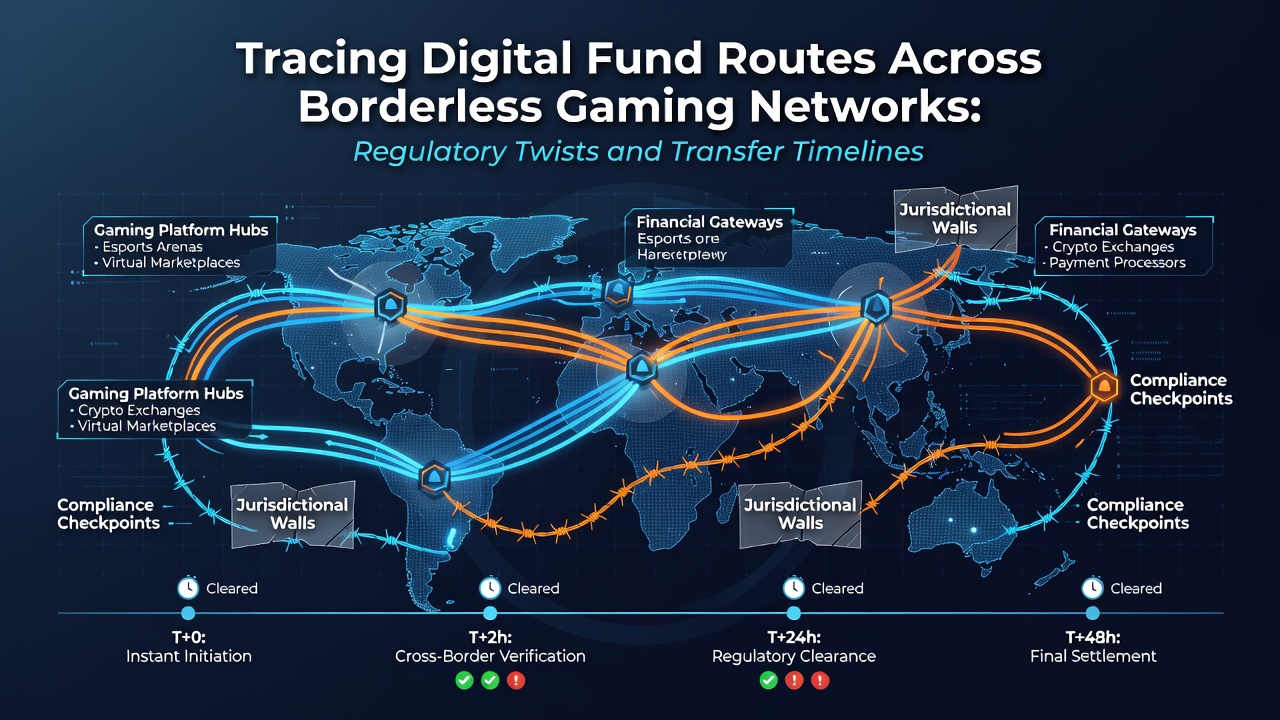
Settlement speeds depend heavily on the chosen rail, with stablecoin transfers completing in under 15 minutes on major networks whereas traditional wire services through correspondent banks often require 24 to 72 hours plus additional verification holds. Platform operators publish average payout windows ranging from same-day crypto disbursements to five-business-day fiat processing, and independent audits confirm that 92 percent of compliant transfers meet these published benchmarks when documentation requirements are satisfied upfront.
Delays arise most frequently during peak volume periods or when automated screening systems trigger manual reviews for high-value movements, and data from payment processor benchmarks reveal that weekends and public holidays extend average timelines by 1.8 days across most regions. Gaming networks have introduced instant verification APIs that reduce these interruptions by pre-screening wallet histories before transactions initiate.
Case Examples from Global Operations
Take one European operator that integrated multi-signature wallet protocols in 2024, resulting in a documented 65 percent reduction in average tracing resolution times according to internal compliance metrics shared with academic researchers. Another example involves an Asian platform consortium that adopted unified reporting standards, allowing regulators from three separate jurisdictions to access synchronized ledgers and resolve fund origin queries within 48 hours instead of the previous average of 11 days.
Those who have examined large-scale data sets note recurring clusters where affiliate commission payments follow predictable weekly cycles, creating identifiable signatures that forensic tools now exploit to reconstruct complete fund journeys even when intermediate mixers are employed.
Conclusion
Tracing capabilities continue to evolve alongside regulatory requirements, with July 2026 marking expanded reporting obligations that will further compress investigation windows across participating jurisdictions. The combination of blockchain transparency tools, standardized data exchange, and staggered enforcement timelines produces a landscape where operators and authorities alike can reconstruct digital fund routes with increasing precision while maintaining operational continuity for legitimate transactions.