Tracing Transaction Patterns from Funding Sources to Incentive Triggers on Digital Platforms
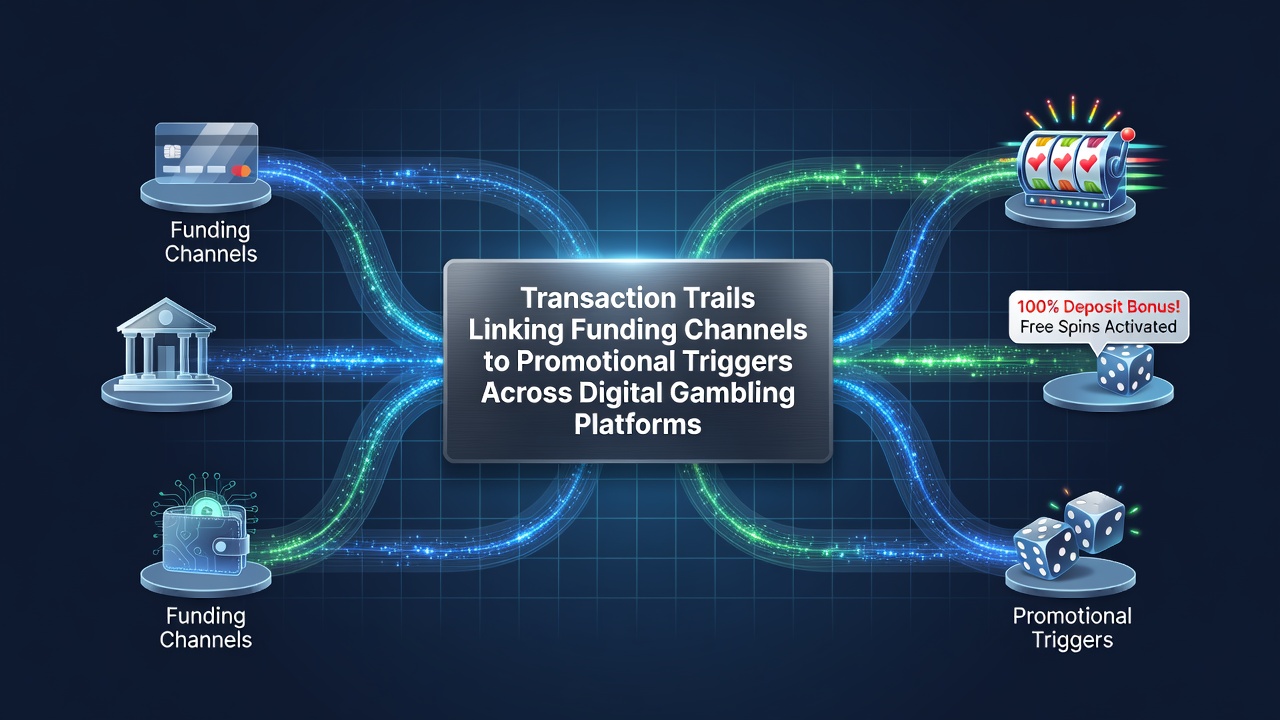
Digital gambling platforms maintain detailed logs that connect every deposit to specific promotional events, creating traceable pathways through funding channels and reward systems. These records track payment methods such as bank transfers, e-wallets, and prepaid options while monitoring how each transaction meets or fails eligibility rules for bonuses and free spins. Operators use these trails to enforce compliance with anti-money laundering requirements and to calculate wagering contributions accurately across different deposit types.
Core Components of Transaction Documentation
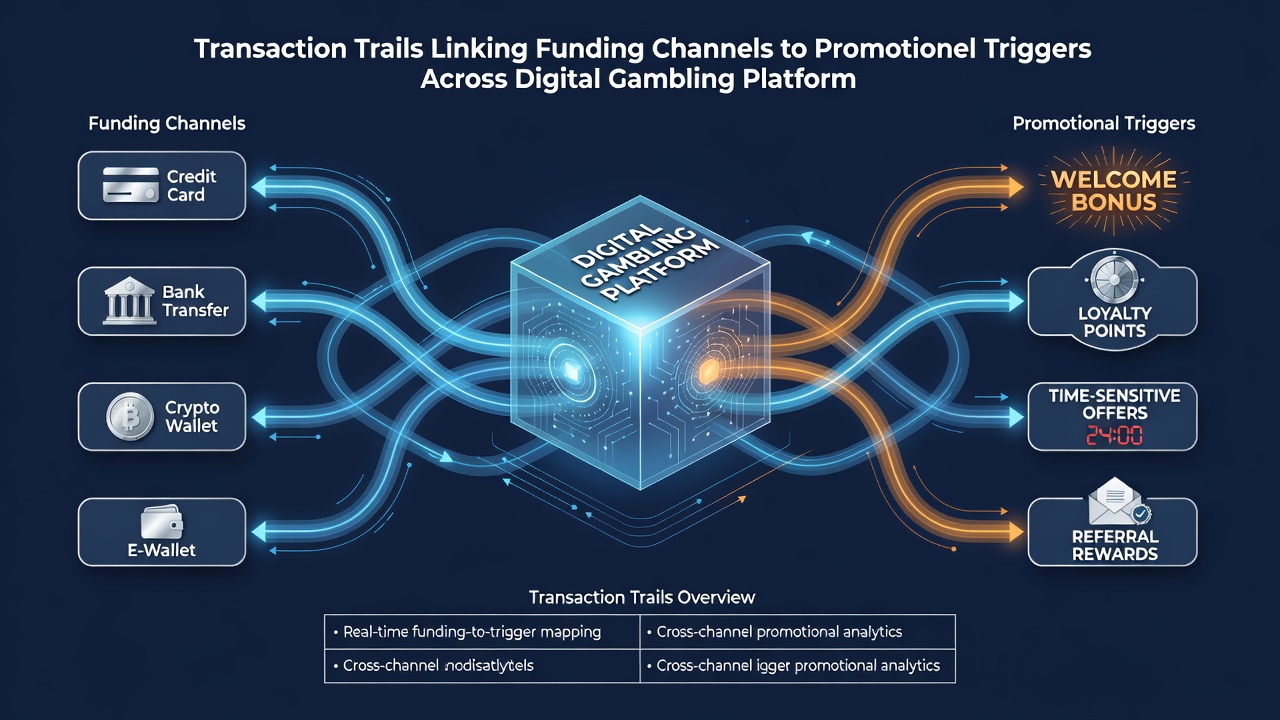
Systems record timestamps, payment processor identifiers, and account verification details at the moment of deposit, then link those entries directly to bonus activation codes and rollover progress. Data indicates that platforms segment funding sources into categories based on risk profiles, with certain methods triggering additional verification steps before promotional credits appear in player accounts. Observers note that this segmentation allows operators to apply distinct contribution rates, where credit card deposits often count fully toward requirements while cryptocurrency transfers may receive partial recognition depending on jurisdictional rules.
Payment Method Classifications and Their Effects
Bank wires and direct transfers typically generate longer verification windows compared to instant e-wallet options, which in turn influences when promotional triggers activate. Research from the University of Nevada, Las Vegas shows that platforms adjust bonus structures according to these processing timelines, ensuring that high-velocity deposits do not bypass standard monitoring protocols. University of Nevada, Las Vegas research highlights patterns where prepaid card usage correlates with higher free spin eligibility rates in multiple markets because these instruments provide clearer source-of-funds documentation.
Alternative channels like mobile billing and voucher systems introduce additional layers to the trail, requiring separate reconciliation processes before rewards release. Figures from industry reports reveal that such methods often carry lower maximum deposit limits yet receive favorable promotional weighting in certain regions to encourage broader participation.
Regulatory Influences on Trail Integrity
Jurisdictions enforce standards that require operators to preserve complete transaction histories linking deposits to every promotional event for a minimum retention period. In July 2026 several oversight bodies updated their guidelines to mandate real-time reporting of high-value funding events that coincide with bonus claims, aiming to reduce discrepancies between declared activity and actual fund movements. These updates apply across multiple territories, prompting platforms to integrate automated flagging systems that pause promotional triggers until verification completes.
Technical Mechanisms Driving Linkages
Backend databases assign unique transaction identifiers that follow funds through deposit, bonus credit, and wagering stages, creating an unbroken chain auditors can review. Automated scripts compare deposit metadata against bonus terms in real time, rejecting claims when funding sources fall outside approved categories or when velocity thresholds appear exceeded. Experts have observed that these scripts also cross-reference player behavior histories to detect coordinated activity across multiple accounts sharing similar payment trails.
Third-party payment processors supply additional metadata layers, including merchant category codes and authorization responses, which platforms incorporate into their internal risk models. This integration allows promotional systems to differentiate between routine deposits and those structured specifically to unlock maximum rewards.
Cross-Border Variations in Trail Requirements
European regulators outside the United Kingdom apply distinct documentation standards compared to North American and Asian frameworks, leading operators to maintain region-specific logging protocols. The European Gaming and Betting Association published findings in early 2026 indicating that harmonized data formats improve audit efficiency when transaction trails span multiple licensing jurisdictions. European Gaming and Betting Association analysis demonstrates measurable reductions in processing delays once standardized fields for payment origin and bonus linkage become mandatory.
Platforms operating across borders therefore deploy modular compliance engines capable of applying the strictest applicable rules to any given transaction trail regardless of player location.
Conclusion
Transaction documentation systems on digital gambling platforms create direct connections between funding channels and promotional triggers through standardized logging, automated verification, and region-specific compliance layers. These mechanisms support regulatory oversight while enabling operators to manage risk and calculate contributions accurately across diverse payment types. Continued refinement of data standards, particularly following the July 2026 guideline updates, continues to shape how platforms maintain and utilize these trails for both operational and audit purposes.