Tracing Verification Pathways From E-Wallets Into Tiered Reward Access on Gambling Platforms
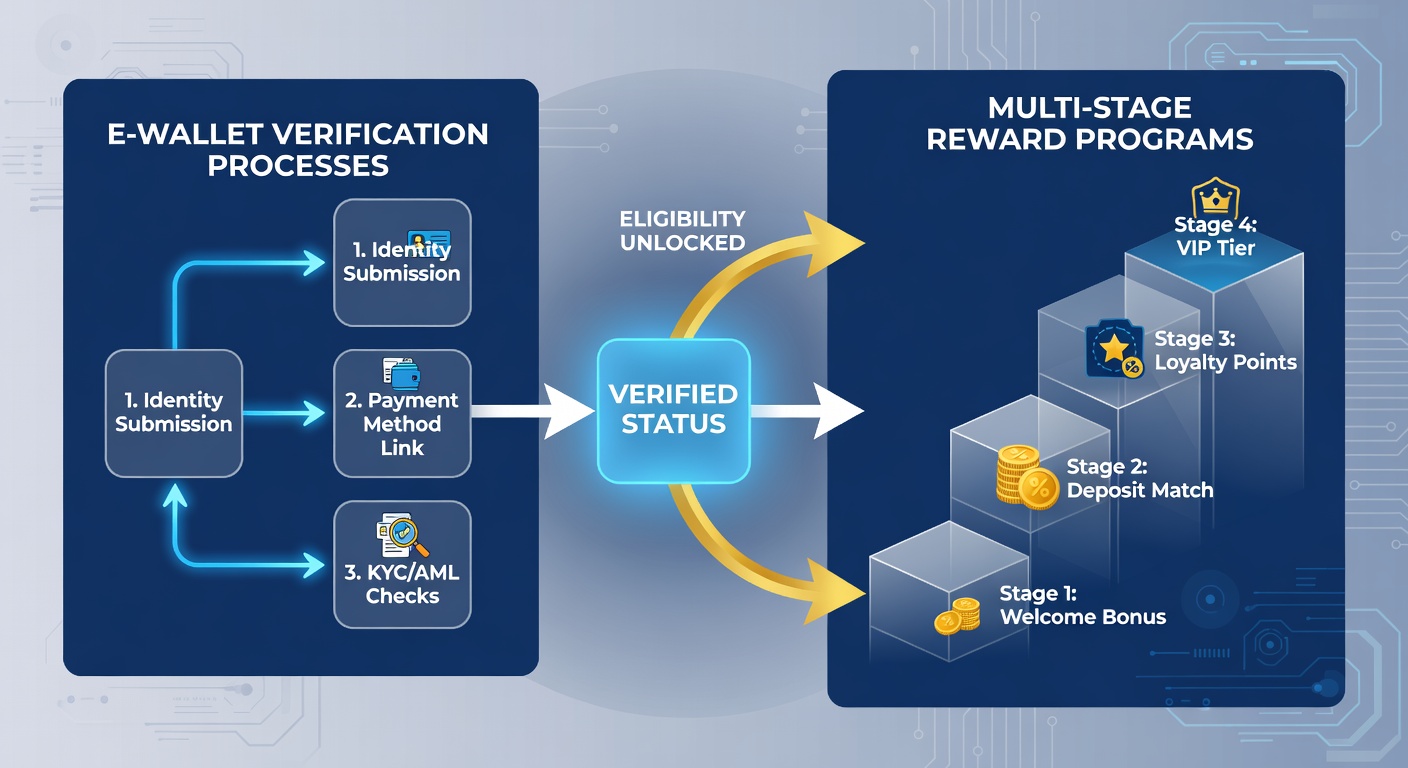
Verification steps in e-wallets create direct pathways that determine whether players qualify for progressive reward structures on gambling platforms, and data from multiple markets shows these connections shape access to layered bonus systems. Platforms track completed identity checks, address confirmations, and transaction histories from providers such as Skrill or Neteller before unlocking initial reward stages, then apply the same verified status to advance users through subsequent tiers.
How Basic Wallet Authentication Sets the Foundation
E-wallet providers require users to submit government-issued identification and proof of residence before full functionality activates, and gambling platforms integrate these completed profiles to confirm player eligibility for entry-level rewards. Once verification clears, operators record the status in their systems so that deposit matches, free spins, and initial cashback offers become available without further manual review. Research indicates that accounts lacking full e-wallet authentication remain locked out of even the first reward stage, because operators rely on the wallet's confirmation to meet regulatory and internal compliance standards.
Observers note that this initial gate applies uniformly across many sites, so players who finish wallet checks early in May 2026 gain faster entry into multi-stage programs than those still processing documents. The process also records transaction patterns that later feed into loyalty calculations, meaning early verification influences both immediate and long-term reward progression.
Multi-Stage Reward Mechanics and Verification Requirements
Multi-stage programs typically progress through bronze, silver, gold, and platinum levels, each demanding verified activity thresholds such as cumulative deposits or wagering volume. E-wallet verification supplies the authenticated identity needed to track these metrics accurately, allowing platforms to award tier upgrades automatically once targets are met. Without verified wallet status, operators suspend advancement even when numerical requirements are satisfied, because unconfirmed accounts trigger compliance flags.
Data shows that platforms using verified e-wallet feeds experience fewer disputes over reward eligibility, since transaction records arrive pre-authenticated. In practice, a player moving from silver to gold status must maintain the same verified wallet connection used at entry, otherwise the upgrade stalls until documentation updates. This linkage appears in systems across various regions and helps explain why verified users reach higher tiers more consistently than unverified counterparts.
Regional Regulatory Influences on Verification-Reward Links
Regulatory bodies in different jurisdictions impose varying standards that affect how e-wallet verification feeds into reward programs. The Malta Gaming Authority requires operators to maintain auditable records of verified payment sources before releasing tiered bonuses, while the Alcohol and Gaming Commission of Ontario tracks similar verification data for loyalty program compliance. These rules create consistent patterns where incomplete e-wallet checks block progression regardless of local market size.
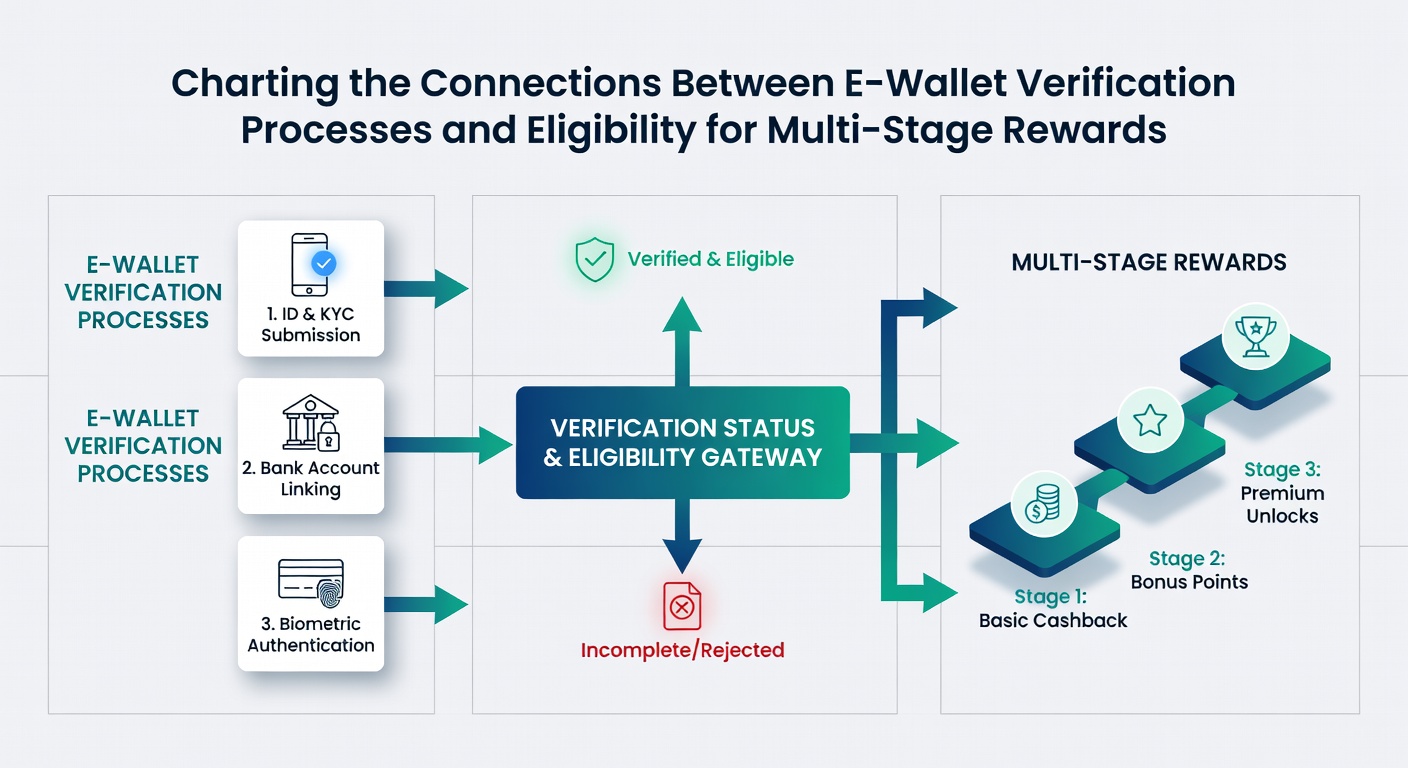
Platforms adjust their internal processes to align with these standards, often requiring re-verification when users switch wallets mid-program. Figures reveal that sites operating under multiple regulatory frameworks maintain unified verification databases precisely to avoid interrupting reward chains across borders. Players who switch providers mid-year therefore encounter delays unless the new wallet meets the same authentication level already recorded.
Practical Effects on Player Progression and Platform Operations
Operators log verified e-wallet activity to calculate eligibility for cashback percentages, exclusive events, and higher withdrawal limits that accompany advanced tiers. When verification lapses occur, the system automatically pauses reward accumulation until the issue resolves, a safeguard that protects both the platform and the player from compliance risks. Industry reports from sources such as the European Gaming and Betting Association highlight how verified payment channels reduce administrative overhead while maintaining clear reward eligibility trails.
Take one operator that integrated real-time verification feeds from multiple e-wallets and observed faster tier advancement rates among its user base. Another case involved users who updated wallet documentation after initial registration and regained access to suspended reward stages within days. These examples illustrate how verification status operates as the central control point for multi-stage progression rather than a peripheral requirement.
Conclusion
The documented connections between e-wallet verification and multi-stage reward eligibility rest on shared data flows that operators use to confirm identity and track activity. Regulatory standards in several jurisdictions reinforce these links by mandating verified payment sources before any reward release. As platforms continue refining their systems, the same verification records that open initial bonuses also determine advancement through every subsequent tier, creating a continuous chain from wallet authentication to full reward access.