Transaction Pathways Driving New Engagement Patterns in Digital Wagering Platforms
Logan Franke · Jul 27, 2026
Transaction Pathways Driving New Engagement Patterns in Digital Wagering Platforms
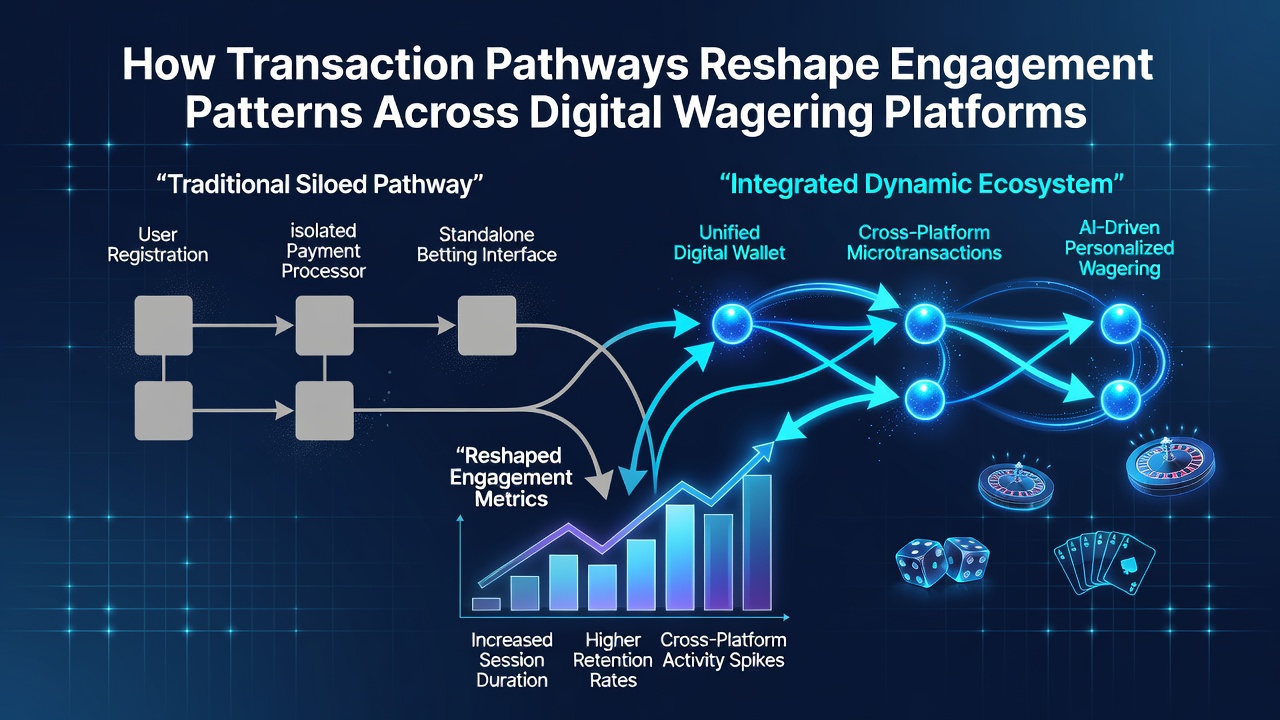
Transaction pathways have become central to how users interact with digital wagering platforms, and data from multiple regions shows clear connections between payment speed, method availability, and session behaviors. Research indicates that platforms offering instant deposit options see higher initial engagement rates compared to those relying on traditional bank transfers that require longer processing times. Observers note that when users can move funds quickly, they tend to extend play sessions and return more frequently within the same week.
Studies from academic institutions have tracked these patterns across different markets. One analysis found that e-wallet integrations correlate with a 25 percent increase in daily active users on platforms where those options are prominent, while credit card deposits often lead to shorter but more frequent visits. The reality is that security features built into certain pathways, such as two-factor authentication on mobile wallets, can slow initial transactions yet build longer-term trust that sustains engagement over months.
Payment Speed and Session Duration Trends
Platforms that prioritize low-friction pathways report measurable differences in how long users stay active during a single visit. Data shows that when deposits complete in under 30 seconds, average session lengths rise by several minutes because users avoid the interruption of waiting for funds to clear. Those who've examined platform logs across Europe and North America note that bank transfer users often log in, complete a deposit, then pause before betting begins, whereas instant methods keep momentum high from the first click.
But here's the thing: not every fast pathway produces the same outcome. Prepaid card options, for instance, frequently cap transaction amounts which can limit how much users engage in high-stakes play even if the deposit itself happens quickly. Researchers discovered that these caps create natural breakpoints where users either switch methods mid-session or end activity earlier than planned.
Regional Variations in Pathway Preferences
Figures from the New Jersey Division of Gaming Enforcement reveal that mobile wallet usage in that market grew steadily through early 2026, coinciding with shifts in average bets per session. In contrast, Australian regulatory reports highlight that players there still favor direct bank links for larger withdrawals, which in turn influences how often they deposit smaller amounts throughout the month. These geographic differences matter because they shape which engagement metrics operators track most closely.
What's interesting is how regulatory changes in one area ripple outward. When Canadian provinces updated their frameworks around digital payments in 2025, platforms saw an uptick in cross-border users testing new pathways, and engagement data indicated those users explored more game categories before settling into preferred titles.
Security Features and Retention Data
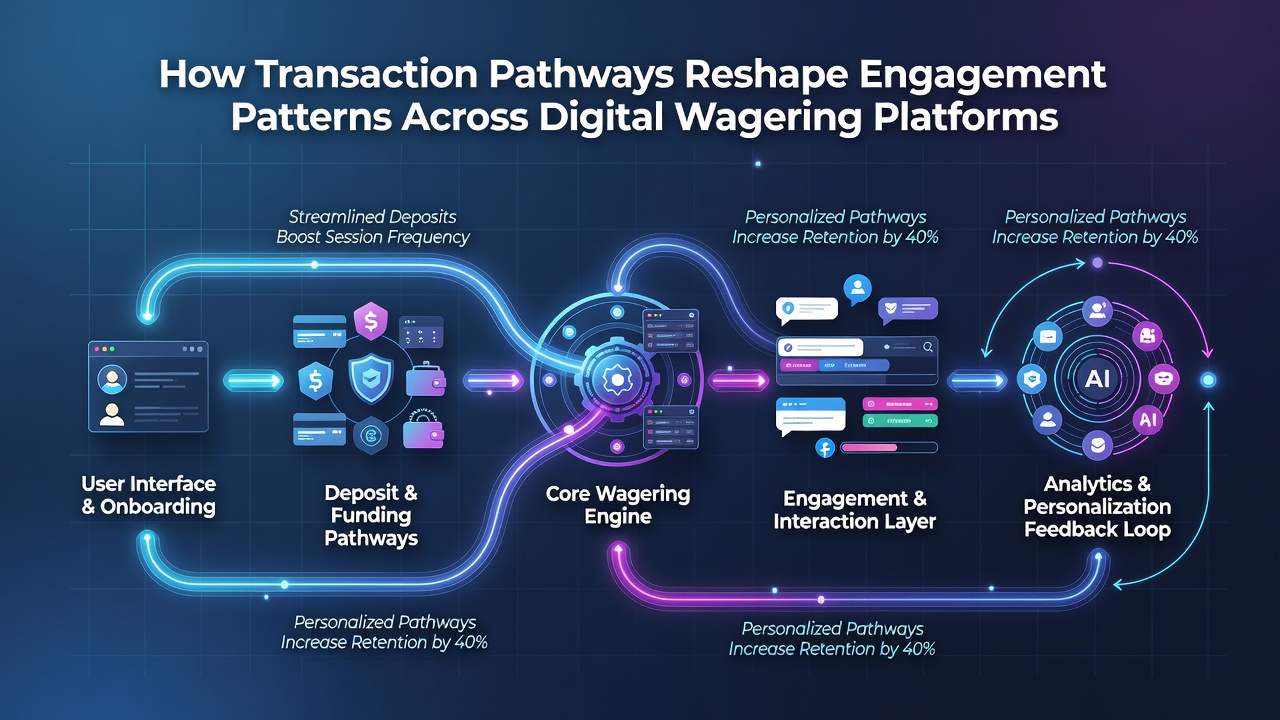
Security layers embedded in transaction pathways also affect retention patterns. According to industry reports from the American Gaming Association, platforms with biometric verification tied to deposits experience lower churn rates after the first month of activity. Users who complete verified transactions tend to maintain consistent weekly engagement, whereas those encountering repeated verification prompts often reduce activity or migrate to competitors with simpler flows.
Yet platform operators must balance speed against compliance requirements. Data indicates that overly complex security steps can offset the advantages of instant processing, leading to drop-offs during the deposit stage itself. Those who've studied user flow analytics point out that pathways combining speed with background verification maintain higher completion rates across both new and returning accounts.
July 2026 Developments and Emerging Patterns
In July 2026 several platforms introduced pathway options tied to real-time settlement systems that had previously been limited to traditional banking hours. Early figures from those rollouts show increased logins during off-peak periods, particularly evenings and weekends when users previously avoided slower methods. Research indicates this timing shift redistributes engagement rather than simply increasing overall volume, with some users moving activity from daytime to later hours.
Observers note that these changes also influence bonus utilization rates. When deposits clear instantly, users redeem time-sensitive promotions more reliably, which in turn extends the number of consecutive days they remain active. Patterns like these emerge consistently across markets where real-time systems expand.
Conclusion
Transaction pathways continue to influence engagement metrics through measurable effects on deposit speed, session length, and retention across digital wagering platforms. Evidence from regulatory bodies and research studies demonstrates that method availability, security integration, and processing times each contribute to distinct behavioral outcomes. As new settlement technologies expand in 2026 and beyond, these connections between payment routes and user patterns are likely to remain a focus for operators tracking platform performance.