UK Launches Consultation on Gambling Commission Licence Fee Increases: A Closer Look at the Proposed Overhaul
UK Launches Consultation on Gambling Commission Licence Fee Increases: A Closer Look at the Proposed Overhaul
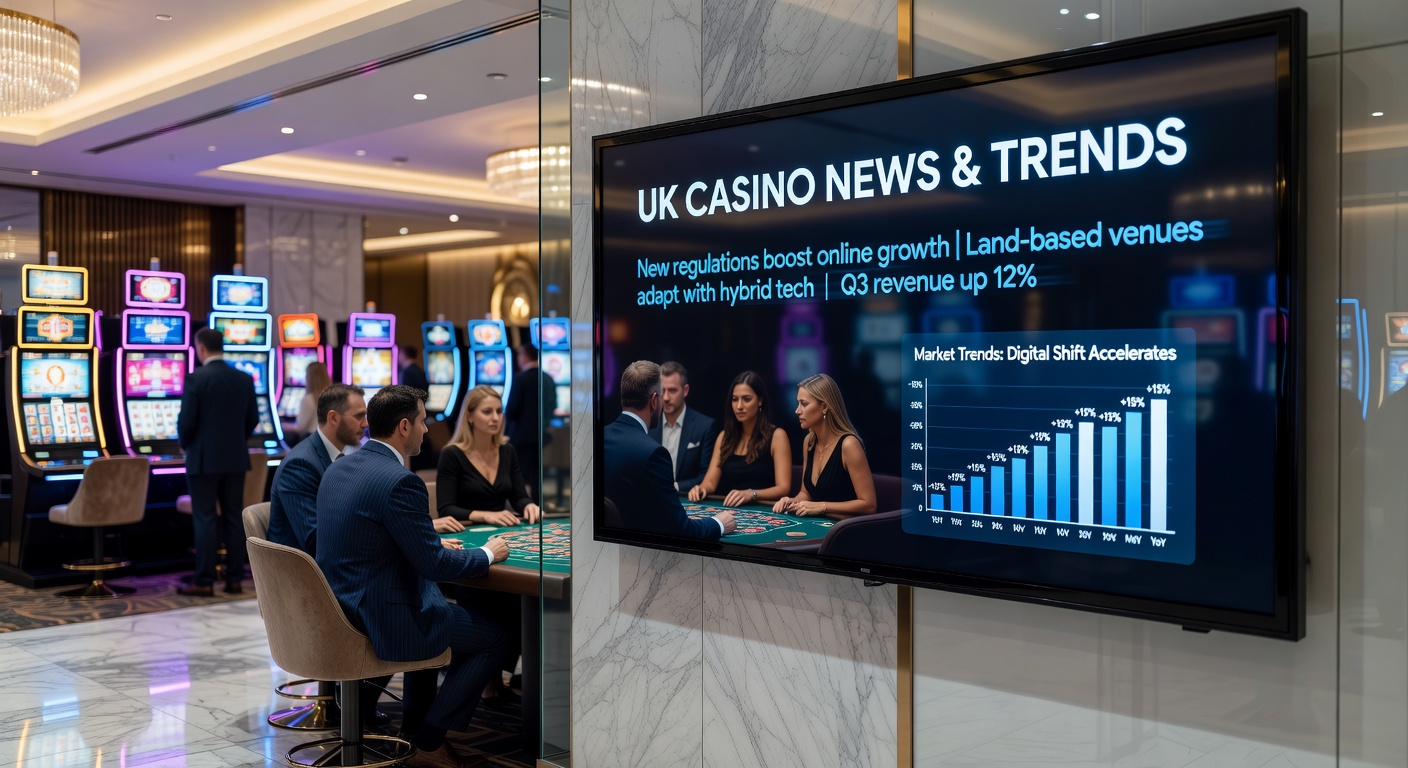
The Consultation's Core Aim: Aligning Fees with Regulatory Realities
The UK government has kicked off a public consultation on hiking Gambling Commission operating licence fees, aiming to sync them more closely with the actual costs of regulation; this move comes as the regulator grapples with rising demands in oversight, enforcement, and compliance across a sprawling industry. Details laid out in the official consultation document highlight shifts toward a market share and risk-weighted model for most gambling products, while also pushing for harmonised fees on non-remote casino licences under both the Casinos Act 1968 and the Gambling Act 2005. Operators currently holding these licences—totaling 2,179 in the operator category alone, alongside roughly 19,300 personal licence holders—face potential changes that could reshape their cost structures starting from 1 October 2026.
What's driving this? Regulators have long noted mismatches between fee income and expenditures, especially as illegal markets grow and compliance burdens mount; the Gambling Commission, tasked with everything from player protection to anti-money laundering checks, sees fees as the tool to bridge that gap without dipping further into taxpayer funds. And while the industry hums along—the latest industry statistics for the financial year spanning April 2024 to March 2025 paint a picture of robust activity with millions of active accounts—this consultation zeroes in on making sure licensed operators foot the bill for the supervision they receive.
Breaking Down the Three Fee Increase Options
At the heart of the proposals sit three distinct options for the overall fee uplift, each calibrated to balance revenue needs against industry impacts; Option 1 lays out a straightforward 30% increase across the board, designed to deliver the fullest alignment with projected regulatory costs through 2029. Option 2 dials it back to a 20% rise, offering a more measured approach that still covers core expenses but leaves some shortfall on the table; then there's Option 3, the government's preferred path, which combines a 20% general increase with an additional 10% ringfenced specifically for battling illegal gambling markets—think resources poured into tracking offshore operators and curbing unlicensed activity that siphons players away from regulated spaces.
Take one scenario experts have modeled: under Option 3, the extra 10% wouldn't just pad general funds but target enforcement against black-market threats, a move observers see as timely given persistent challenges from rogue sites. But here's the thing—whichever path wins out, secondary legislation from the Department for Culture, Media and Sport (DCMS) will handle the rollout, ensuring changes hit precisely on that October 2026 date without needing primary parliamentary votes. Stakeholders get until mid-2025 to weigh in, plenty of runway for operators to crunch numbers and voice concerns.
Short and sharp: the choices aren't arbitrary; data underpinning them projects fee income against expenditure forecasts, showing Option 1 overshooting needs slightly, Option 2 falling short by millions annually, and Option 3 hitting the sweet spot while earmarking funds where illegal ops loom largest.
New Fee Structures: Market Share, Risk Weighting, and Casino Harmonisation
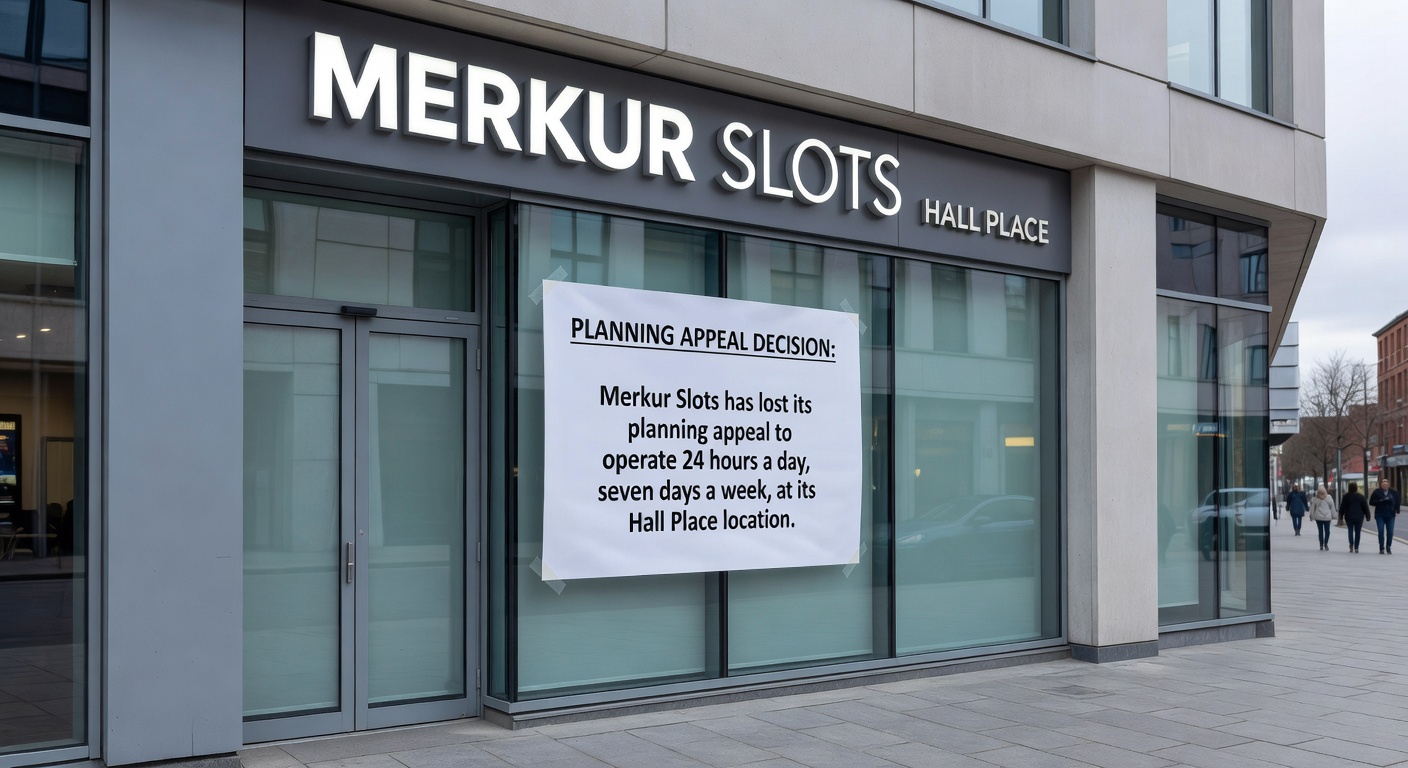
Shifting gears from flat percentages, the consultation introduces smarter fee calculations for most products—namely a market share and risk-weighted approach that ties costs directly to an operator's footprint and the hazards they pose; larger players with hefty gross gambling yield (GGY) portions pay more, while risk factors like complaint volumes, compliance history, or high-stakes products amp up the levy accordingly. This isn't just theory; pilot data suggests it incentivises safer practices, as lower-risk ops see lighter bills compared to those stirring up trouble.
And for land-based casinos? Harmonisation levels the field between older licences under the 1968 Act—often tied to specific venues—and newer 2005 Act permissions, merging them into a single fee tier that reflects modern regulatory demands regardless of vintage. One case that illustrates the quirk: a venue operating under legacy rules might currently pay less than a comparable 2005-licensed spot, even though oversight costs mirror each other; post-harmonisation, that disparity vanishes, streamlining admin for the Commission and fairness for operators.
Turns out, personal licences dodge the big hikes this round, holding steady to avoid overburdening individuals like key personnel or compliance officers; yet operators still navigate the bulk of changes, with 2,179 firms now pondering how their market slice translates to pounds. It's noteworthy how this risk lens echoes broader trends—regulators worldwide tweak fees this way, rewarding the compliant while pressing high-riskers harder.
Timeline, Stakeholder Input, and Broader Industry Ripple Effects
Now, the rollout unfolds methodically: consultation responses due by early summer 2025, analysis through autumn, then DCMS secondary legislation slots in for that 1 October 2026 kickoff—giving operators over a year to adjust budgets amid whatever April 2026 brings in fresh industry data. Personal licence renewals might feel the pinch indirectly if operator costs squeeze margins, but the focus stays on operating fees; meanwhile, the Commission's current stable of 19,300 personal holders underscores the human scale of regulation, each one vetted for fitness and propriety.
People in the know point to past consultations where industry pushback trimmed hikes—back in 2022, similar talks shaved percentages after operator feedback flooded in; this time, with illegal markets in the crosshairs via Option 3's ringfence, alliances might form differently, licensed firms backing stronger enforcement against unlicensed rivals. That's where the rubber meets the road: fees aren't rising in a vacuum, but against a backdrop of £6.9 billion in sector revenue and 37.4 million active accounts from recent figures, painting a healthy yet scrutinised landscape.
Yet smaller operators gripe in early reactions—those with slim GGY shares worry risk-weighting amplifies their load disproportionately; larger chains, though, often shrug, absorbing hikes as a cost of dominance. And the 1968/2005 casino merge? Venue owners welcome the simplicity, ditching archaic splits that complicated renewals.
Conclusion: What Lies Ahead for Operators and Regulators
As this consultation gains steam, the Gambling Commission's fee framework stands poised for its most significant tweak in years, blending percentage uplifts with nuanced models that mirror market realities and risks; whether Option 3's dual-boost prevails—or feedback nudges toward moderation—the endgame promises better-funded oversight from October 2026 onward. Operators numbering 2,179 strong, plus their 19,300 personal licence counterparts, now dissect the options, balancing compliance costs against competitive edges in a regulated arena where illegal shadows linger. The ball's in stakeholders' court until responses close; post that, DCMS legislation will seal the deal, ensuring fees finally match the regulatory muscle deployed. It's a pivotal moment, one that could steady the Commission's books while sharpening tools against offshore threats—all without upending the industry's momentum.