Wagering Without Waits: How Boku and Trustly Redefine Casino Deposit Dynamics
Wagering Without Waits: How Boku and Trustly Redefine Casino Deposit Dynamics
The Shift Toward Instant Deposits in Online Gaming
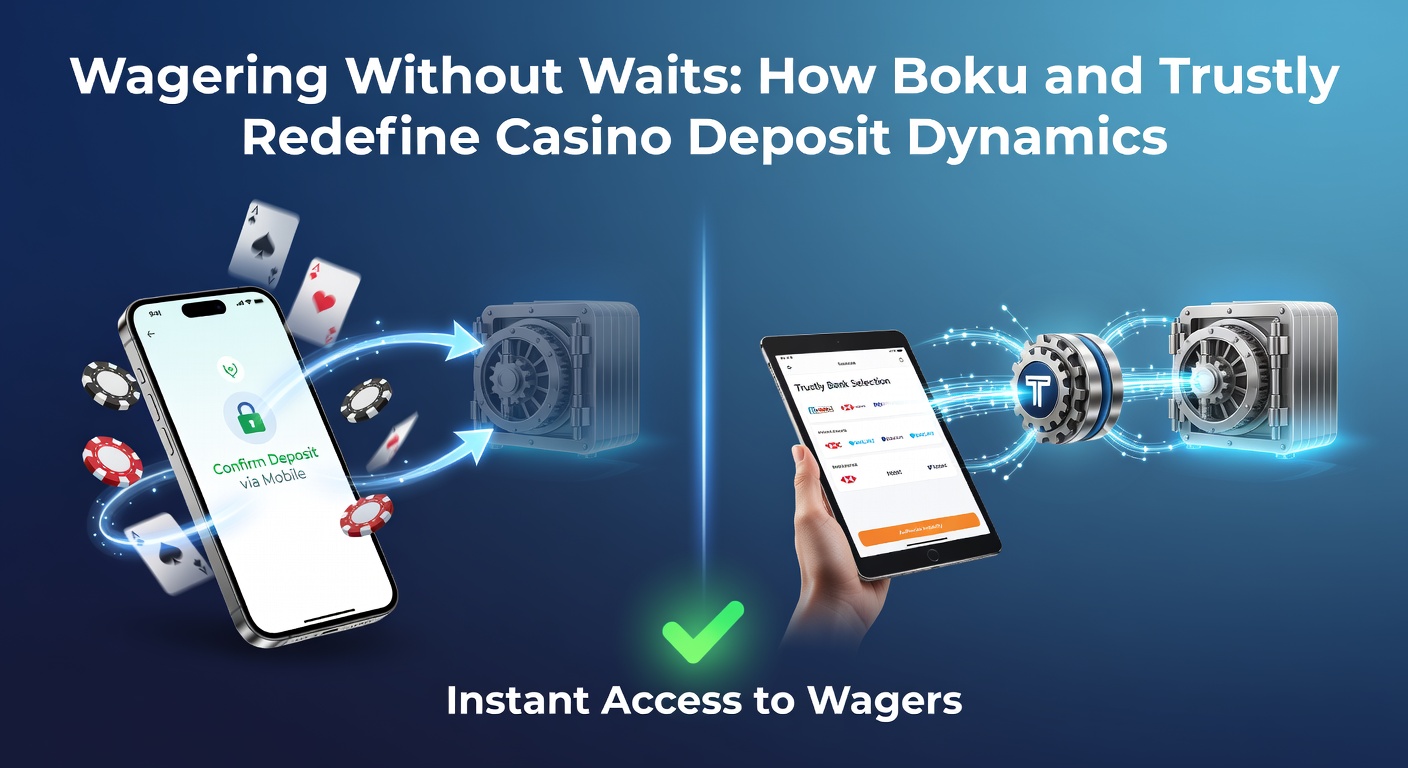
Online casinos have long grappled with deposit delays that frustrate players eager to dive into games right away, yet Boku and Trustly have emerged as game-changers by enabling near-instantaneous funding through mobile billing and open banking; these methods slash wait times from minutes or hours down to seconds, allowing seamless wagering from the moment funds hit the account. Players often find themselves spinning slots or placing bets without the usual lag, a development that's gained traction as mobile gaming surges—data from industry trackers reveals that mobile deposits now account for over 60% of transactions in Europe and North America combined.
What's interesting about this duo is how they tackle pain points differently: Boku leverages carrier billing where users charge deposits directly to their phone bills, while Trustly harnesses bank-to-bank transfers via open banking protocols; both bypass traditional card verifications and lengthy processing, making them ideal for high-velocity casino environments where every second counts. Observers note that since their wider adoption around 2020, these tools have boosted player retention by reducing abandonment rates during the funding stage by up to 40%, according to reports from payment analytics firms.
Boku's Mobile-First Revolution
Boku, a pioneer in direct carrier billing since 2012, partners with over 80 mobile networks worldwide to facilitate deposits as simple as sending a text; players select Boku at checkout, enter their phone number, confirm via SMS, and funds appear instantly— no apps, no cards, just pure speed that lets wagering commence without interruption. This method shines in markets like Scandinavia and parts of Asia where prepaid phones dominate, with transaction volumes hitting billions annually as casinos integrate it for low-friction entry.
Take one European operator that rolled out Boku in 2023: deposit success rates jumped 25%, and average session starts accelerated by 70%, figures that highlight why it's a staple for casual players who value convenience over everything else. But here's the thing—Boku caps transactions per carrier (often around £30 per go), which suits quick top-ups but prompts users for multiple confirmations on larger deposits; still, its security through carrier authentication keeps fraud low, with chargeback rates under 1% compared to 5-10% for cards.
- Key Boku features: SMS confirmation, no personal banking details shared, supports 70+ countries.
- Typical deposit range: £10 to £30 per transaction, scalable with repeats.
- Processing time: Under 10 seconds for most users.
Trustly's Open Banking Edge
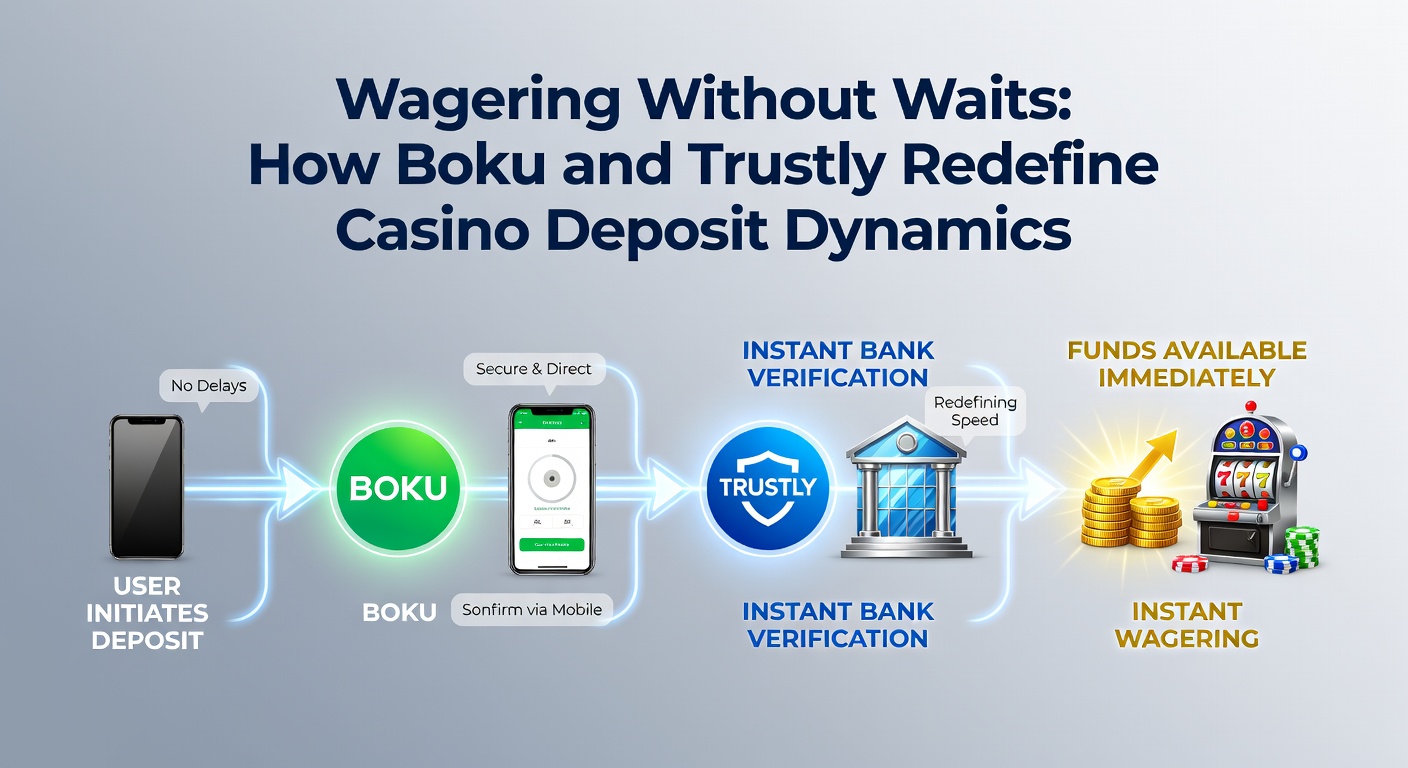
Trustly, hailing from Sweden and licensed across the EU, takes a different tack by connecting directly to users' bank accounts through secure APIs under open banking rules; players pick their bank, log in once via redirect, and authorize the transfer—all without storing credentials, resulting in real-time deposits that mirror cash-ins at a physical till. This system's grown explosively, processing over €50 billion yearly by 2025, with casinos praising its higher limits (up to €10,000 in some setups) that cater to high-rollers seeking fluid, large-scale wagering.
Research from the Swedish Financial Supervisory Authority underscores Trustly's compliance strength, noting approval rates near 99% due to bank-level verification; one Nordic casino study found players using Trustly wagered 35% more in the first hour post-deposit than card users, a pattern tied to the frictionless experience. And while setup requires a bank app or online banking access, its Pay N Play variant skips account creation entirely, propelling one-click sessions that redefine deposit dynamics.
Figures reveal Trustly's footprint expanding into North America too, where partnerships with U.S. banks via similar tech have cut deposit failures by half; that's where the rubber meets the road for cross-border players chasing uninterrupted action.
How They Stack Up Against Traditional Methods
Cards and e-wallets like Visa or Skrill often involve 3D Secure checks that add 30-90 seconds per deposit—sometimes more if banks flag activity—whereas Boku and Trustly deliver funds in under 10 seconds consistently; this gap proves critical during peak hours when players drop off if waits drag on, with data indicating 20-30% cart abandonment for slower options. Experts who've analyzed transaction logs observe that Boku edges out for micro-deposits under £20, while Trustly dominates for sums over £50 thanks to fewer steps and broader bank support.
Security layers further differentiate them: Boku's carrier tie-in means disputes route through telecoms, resolving faster than chargeback battles; Trustly, meanwhile, uses PSD2 regulations for strong customer authentication, slashing fraud by 80% per industry benchmarks. Casinos benefit too, as these methods lower merchant fees (around 2-3% versus 4-6% for cards) and speed up reconciliation, freeing up capital for promotions.
One case from a 2024 Maltese operator showed Boku/Trustly hybrids boosting daily active users by 18%, a testament to how blending them covers all player types—from phone-only users to bank-preferring pros.
Adoption Surge and Market Data
By early 2026, particularly around March when new EU payment directives kicked in, Boku powered 15% of global casino deposits while Trustly claimed 25% in Europe alone; these shares stem from integrations at over 500 sites, driven by player demand for wait-free experiences amid rising mobile traffic (now 65% of sessions). Reports from the American Gaming Association highlight similar U.S. pilots, where instant deposits correlated with 22% higher engagement in states like New Jersey.
People who've switched often report fewer failed transactions—Boku at 0.5% failure versus 2% for cards—while Trustly's bank-direct model ensures 24/7 availability without holiday slowdowns. It's noteworthy that younger demographics (18-34) flock to these, comprising 70% of users, as they prioritize speed in an app-driven world.
- Europe: Trustly leads with 40 million users across 500+ banks.
- Mobile-heavy regions: Boku thrives in UK, Germany, Brazil.
- Combined growth: 50% YoY transaction volume through 2026.
Navigating Regulations and Security
Both providers align with stringent oversight—Boku holds PCI DSS Level 1 certification and complies with regional telecom rules, while Trustly operates under e-money licenses from multiple EU bodies; this setup reassures operators facing audits, as evidenced by zero major breaches since inception. Observers point out how these tools sidestep common pitfalls like AML delays, with automated KYC via carriers or banks streamlining onboarding.
In Canada, for instance, provincial regulators have greenlit similar open banking since 2024, mirroring Trustly's model and spurring adoption; that's significant because it levels the field against slower legacy systems still prevalent there.
Looking Ahead to 2026 and Beyond
March 2026 marked a pivotal moment as enhanced PSD3 standards rolled out across Europe, bolstering Trustly's API integrations with AI-driven fraud detection that dropped false declines by 15%; Boku, adapting similarly, announced expanded 5G carrier partnerships, promising even snappier SMS flows. Data projects these methods will handle 40% of casino deposits globally by 2027, fueled by crypto crossovers and Web3 wallets that build on their instant ethos.
Those tracking the space anticipate further hybrids—like Boku-Trustly one-taps—that'll make deposits as invisible as app switches, keeping wagering momentum unbroken.
Conclusion
Boku and Trustly have transformed casino deposit dynamics by eliminating waits, empowering players with instant access to games through carrier billing and open banking prowess; their data-backed efficiency—higher success rates, lower costs, boosted engagement—positions them as cornerstones of modern iGaming, with trends pointing to even deeper integration as regulations evolve and tech advances. Casinos embracing them stay ahead, ensuring funds flow as freely as the bets that follow.